NASA chief praises progress Blue Origin is making after launch failure
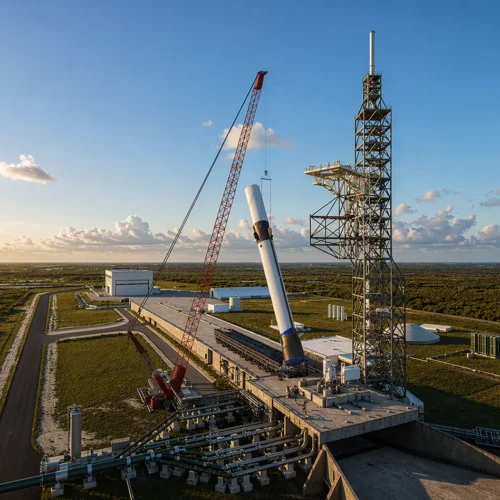
Blue Origin experienced a significant test-firing anomaly in late May that destroyed its primary launch facility, prompting urgent reconstruction work. NASA's administrator publicly commended the company's response, noting that U.S. Space Force officials concur with the assessment of their recovery effort. The situation carries weight for the broader lunar programme because NASA depends on Blue Origin's Mk. 1 cargo lander and Mk. 2 crewed lander to support its Moon missions, with New Glenn expected to launch both systems.
Blue Origin has committed to returning the rocket to flight operations before the end of 2026, though industry observers and some internal NASA officials harbour doubts about this timeline, privately estimating 12 to 18 months as more plausible. NASA leadership has signalled that Plan A remains launching the Endurance cargo mission on New Glenn, but the agency is simultaneously evaluating alternative heavy-lift vehicles from SpaceX and United Launch Alliance as contingency options. Officials indicated that scheduling flexibility exists until mid-2027 before timeline pressures would threaten the Artemis III crewed lunar mission.
- Blue Origin's New Glenn rocket failed in May; NASA praises the company's rapid recovery efforts at the damaged launch pad
- Company targets end-2026 return-to-flight, but some observers expect 12–18 months; NASA is developing backup launch vehicle plans while remaining committed to New Glenn