Science news and discussion on TalkFuse.
NASA investigates mysterious ‘potato chip’ shapes on Mars as scientists hunt for answers
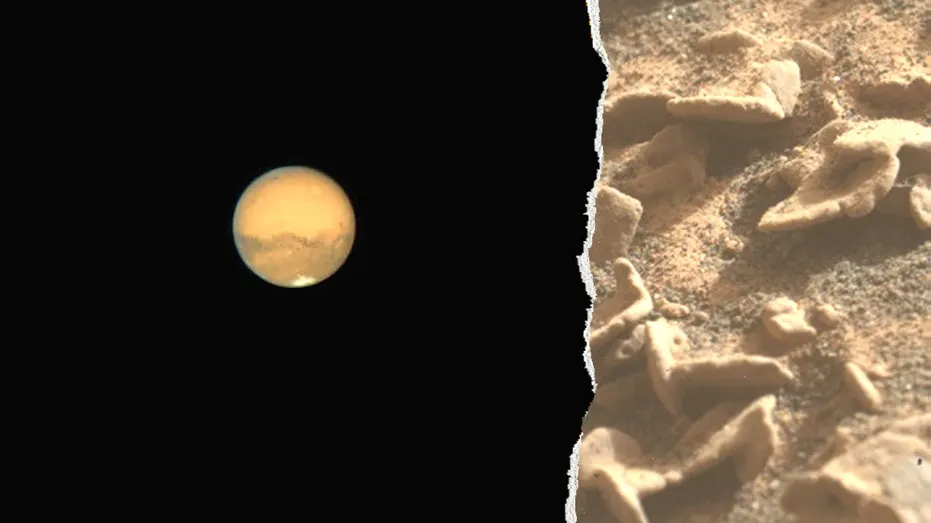
NASA is examining unusual curled, disc-like formations embedded in Martian bedrock that have been likened to potato chips. The study aims to establish how they formed and what they are made of, adding to scientists’ understanding of the planet’s geology.
The Curiosity rover investigated the features at a site nicknamed Nazca during a drilling campaign. Samples from the drill hole were sent to its onboard SAM laboratory for chemical analysis, while ChemCam and the rover’s close-up camera were planned to inspect formations including one called Colca. Curiosity was then expected to resume its southward route.
In short
- Curiosity studied potato chip-like formations in Martian rock.
- Drill samples were sent for onboard chemical analysis.
- Scientists are investigating how the features formed.
Explained simply
Mars is a rocky planet whose surface has been shaped by impacts, wind and water. Studying the layers and minerals in its bedrock can help scientists piece together how those conditions changed over time.
NASA’s Curiosity rover is a mobile laboratory that has been exploring Mars since 2012. It can drill into rock and analyse samples with instruments on board, while cameras and other tools examine nearby features.
Finding out how unusual rock formations formed and what they contain can help build a clearer picture of Mars’s geological history. That knowledge also helps scientists assess where the planet may once have had conditions suitable for life.
Research Science Space Technology World