NASA ponders a Hubble servicing mission or a controlled deorbit
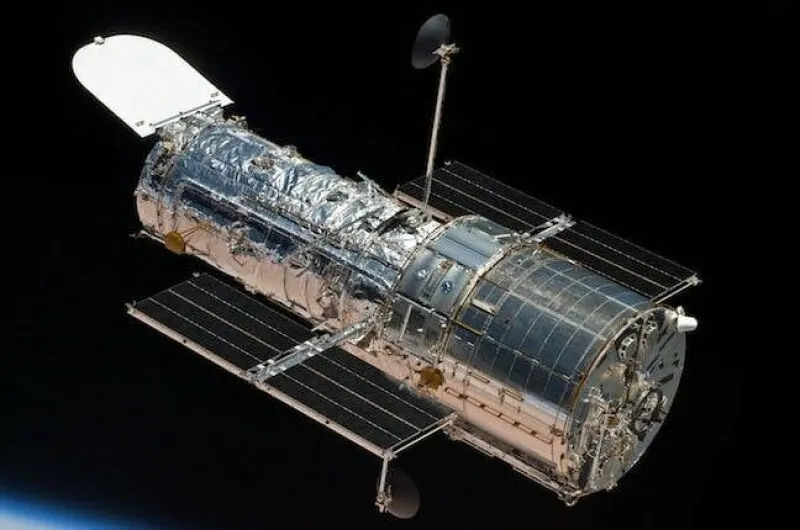
NASA is asking commercial space companies for information about servicing the Hubble Space Telescope, as the ageing observatory’s orbit gradually decays. The agency is weighing ways to extend Hubble’s working life or guide its eventual return to Earth, which could otherwise be uncontrolled.
The last astronaut servicing mission took place in 2009, and NASA estimates a 10 per cent chance Hubble will re-enter the atmosphere by September 2032, rising to 50 per cent by December 2033. A mission by 2032 could boost its orbit, improve its performance or arrange a controlled re-entry; NASA says it is seeking information, not proposals, and has given no budget. Hubble remains in high demand, with seven applications for every available observing slot, while no replacement is expected before the 2040s.
In short
- NASA is exploring commercial options to service Hubble.
- The telescope could re-enter by 2032.
- Options include boosting its orbit or controlled disposal.
Steelman: both sides, in good faith
The strongest fair case each way — we don't pick a winner.
The case for
A servicing mission could extend Hubble’s life, restore or improve its capabilities and preserve a heavily used observatory while no replacement is expected for years. Raising its orbit could also reduce the risk of an uncontrolled return, making continued scientific use and a safer eventual end part of the same investment.
The case against
A servicing mission would require spending public funds and taking on the risks and technical challenges of operating around an ageing spacecraft, potentially diverting resources from newer missions and observatories. If Hubble’s remaining scientific output does not justify those costs, planning a controlled re-entry could be a responsible way to manage its eventual return rather than extend its life.
Explained simply
Hubble is a space telescope that observes the universe from orbit around Earth. Scientists use it to study objects ranging from nearby planets to distant galaxies, and researchers compete for limited time to use it.
NASA, the United States space agency, last sent astronauts to service Hubble in 2009. Since then, the telescope’s orbit has gradually lowered, while its observations remain in demand and no replacement is expected for many years.
NASA is gathering information from commercial space companies about possible ways to extend Hubble’s life or manage its eventual return to Earth. The choices matter because the telescope could continue supporting research, while its return to Earth may need to be guided to reduce risks.
Business Markets Space Technology