Science news and discussion on TalkFuse.
NASA space telescope plunges to Earth after two decades studying cosmic explosions
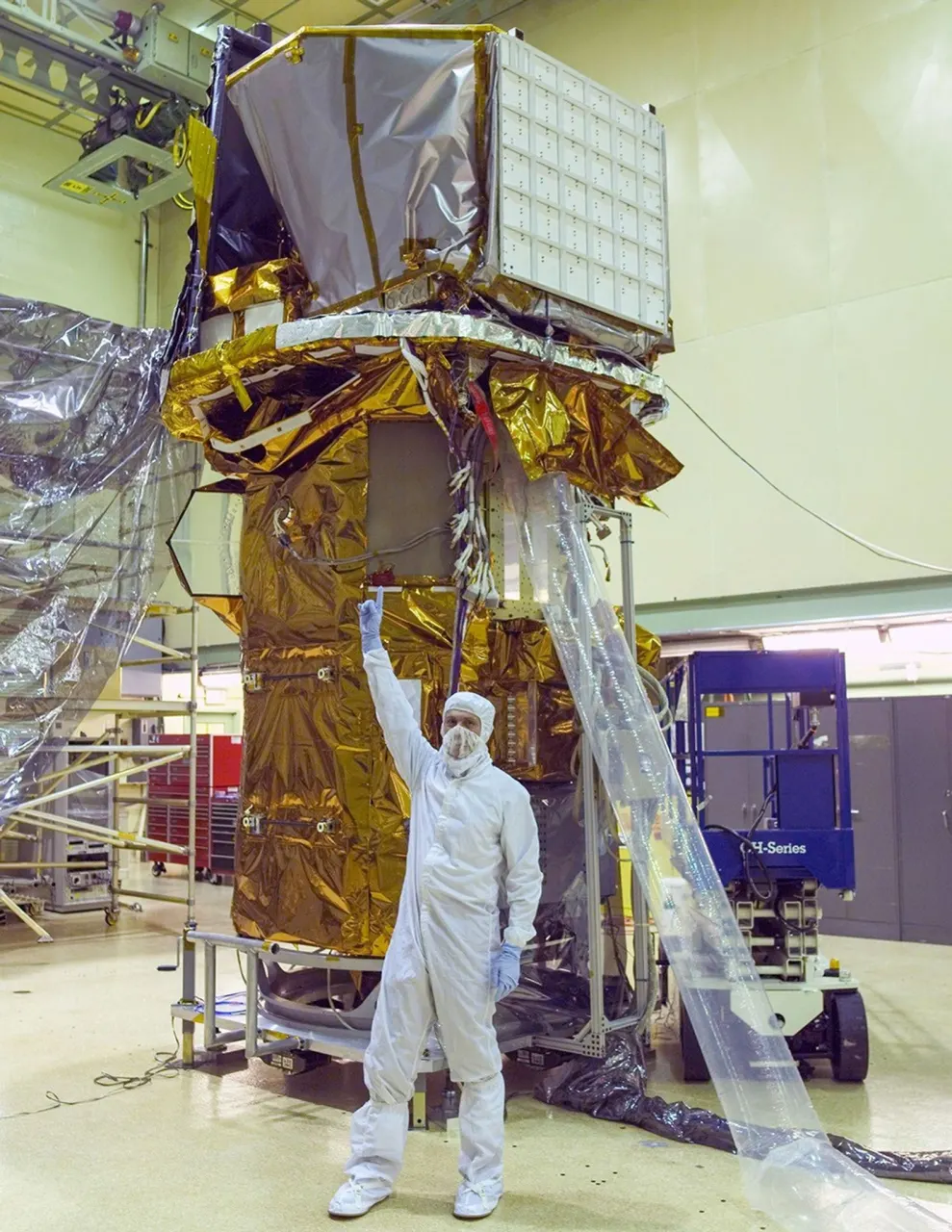
NASA’s Swift Observatory re-entered Earth’s atmosphere near Indonesia on Wednesday, ending a 22-year mission studying gamma-ray bursts and other cosmic explosions. Its loss followed a failed attempt to raise its orbit, and highlights the challenge solar activity poses to ageing spacecraft.
Swift launched in 2004 for a planned two-year mission but operated for 22 years, observing thousands of explosions and alerting other telescopes to investigate. The 1.5-tonne spacecraft may have left some denser fragments to reach the ground; how much burned up was not known. NASA is also considering options to extend Hubble’s life: launched in 1990, it could fall back to Earth by the mid-2030s, and any rescue mission would need to happen by 2032.
In short
- Swift ended its 22-year mission with re-entry near Indonesia.
- A rescue attempt failed after its orbit declined.
- NASA is exploring ways to extend Hubble’s life.
Explained simply
Gamma-ray bursts are brief flashes of very high-energy radiation produced by some of the universe’s most powerful events, such as the collapse of massive stars. They are difficult to study because they fade quickly, so astronomers need to detect them fast.
NASA’s Swift Observatory was designed to spot these bursts and alert other telescopes, which could then observe them in more detail. Since its 2004 launch, it has helped researchers study thousands of bursts and other cosmic explosions.
Swift orbited Earth, where the Sun’s activity can heat and expand the upper atmosphere, increasing drag on satellites. Its loss also draws attention to how long-running space missions are maintained and how ageing spacecraft are eventually brought out of orbit.
Research Science Space Technology World