Technology news and discussion on TalkFuse.
NASA Swift rescue mission spins into trouble during commissioning
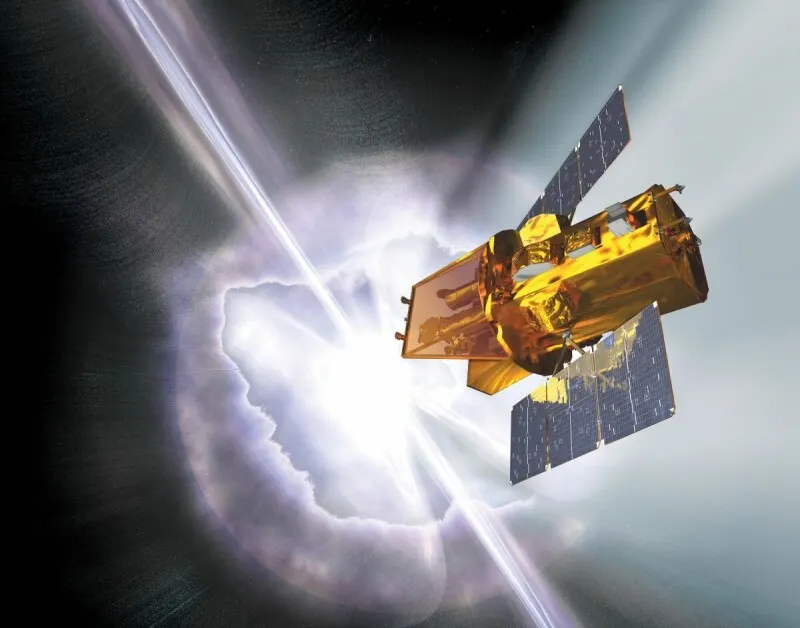
Katalyst Space's LINK spacecraft, sent to rescue NASA's Neil Gehrels Swift Observatory before it re-enters Earth's atmosphere, has run into fresh trouble during commissioning, tumbling in a multi-axis spin after two of its three reaction wheels failed. NASA also reported reduced functionality in the craft's cold-gas thruster system, and communications with LINK have become sporadic, though controllers remain in contact and say other subsystems are working normally. The setback matters because LINK has only a few months left to reach Swift before the ageing observatory is expected to fall out of orbit later this year.
The spin began over the weekend, and engineers are using LINK's electric propulsion thrusters — originally intended for the rendezvous phase — to arrest the tumble, with Katalyst saying it is "seeing the intended effect." Once stabilised, the team plans to update the guidance, navigation and control system for the craft's new configuration before revisiting approach and capture plans for Swift. This is not LINK's first commissioning hiccup: on 15 July, Katalyst reported earlier attitude-control and communications anomalies that were fixed with flight software patches. LINK launched earlier this month on the final Northrop Grumman Pegasus XL rocket, less than a year after the rescue contract was awarded, and Katalyst maintains the mission still has "a viable path to rendezvous with Swift."
In short
- LINK rescue craft is tumbling after two of three reaction wheels failed
- Comms are sporadic; thrusters being used to stop the spin
- Only months remain before Swift is expected to deorbit
Steelman: both sides, in good faith
The strongest fair case each way — we don't pick a winner.
The case for
The rescue remains worth pursuing because Swift is a valuable observatory, and a successful rendezvous could extend its scientific work rather than let it be lost when its orbit decays. LINK’s other subsystems are reported to be working normally, engineers say its electric propulsion is having the intended effect on the tumble, and the team still sees a viable path to rendezvous.
The case against
The setbacks make the rescue increasingly uncertain: two reaction wheels have failed, the cold-gas thrusters are degraded and communications are sporadic, leaving little time to stabilise LINK, adapt its control system and complete a complex capture. Given the mission’s short window and earlier commissioning anomalies, it is reasonable to question whether continued attempts can deliver the planned benefit and whether the remaining resources should be directed elsewhere.
Explained simply
NASA's Swift space telescope has been in orbit observing the universe since 2004. After two decades, the spacecraft is gradually falling back towards Earth and is expected to burn up or crash later this year. An uncontrolled descent could scatter debris, posing a potential hazard.
To prevent this, NASA contracted Katalyst Space, a commercial spaceflight company, to send a spacecraft called LINK to reach Swift and move it to a higher orbit. Katalyst launched LINK earlier this month on a tight schedule, as there are only months before Swift's orbit becomes too low to rescue.
This mission is significant because it represents an emerging approach to managing ageing satellites. Rather than allowing old spacecraft to fall uncontrolled from orbit, this rescue demonstrates commercial techniques for repositioning them safely. Swift's case is the first major test of such a mission.