NASA and energy department set deadlines for space reactor projects
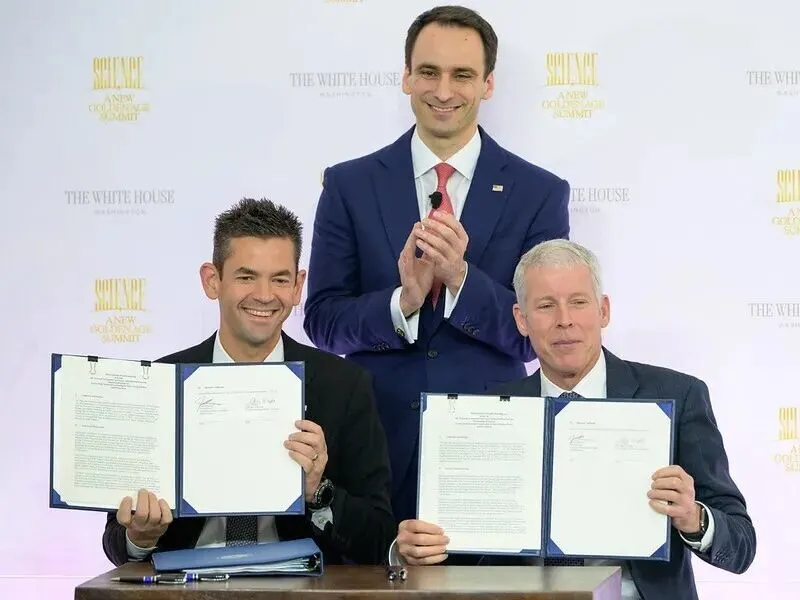
NASA and the Department of Energy have announced an expanded collaboration on nuclear space technology, with Administrator Jared Isaacman declaring the beginning of a "Nuclear NASA-era." The agreement, formalised through a memorandum of understanding, establishes a framework for developing fission-powered spacecraft and lunar reactors, marking an ambitious bid to extend the agency's capabilities for deep space exploration and long-duration missions.
The partnership carries notably tight deadlines. NASA intends to launch Space Reactor-1 (SR-1) aboard the "Freedom" spacecraft to Mars in December 2028—just over two years away—whilst preparing a separate nuclear reactor to power a lunar base by 2030. The SR-1 reactor would generate over 20 kilowatts to power electric thrusters and deliver three Ingenuity-class helicopters to Mars for site surveys. However, NASA has provided little public evidence of progress on either project, and the Government Accountability Office has cautioned for years that the agency's timelines are unrealistic; recent delays to Artemis missions and workforce reductions have further complicated matters.
- NASA and the DoE agree to develop nuclear reactors for space missions.
- A Mars-bound spacecraft with nuclear power is scheduled for launch in December 2028.
- Agency faces scepticism about meeting ambitious timelines.
New here? Start with this
Nuclear reactors are being developed for spacecraft and space bases to generate power on long missions where sunlight is too weak for solar panels to work effectively. Such reactors would provide electricity for propulsion, life support and scientific equipment during missions to Mars and the Moon. The technology would enable continuous operation regardless of a spacecraft's position or distance from the sun.
NASA and the Department of Energy have announced an expanded partnership on nuclear space technology. The two agencies plan to launch a reactor-powered spacecraft to Mars in December 2028 and establish a nuclear-powered lunar base by 2030. A reactor destined for Mars would produce over 20 kilowatts of electricity to power electric thrusters and carry three helicopters for surface exploration.
The projects operate under extremely tight deadlines. The Government Accountability Office has previously warned that NASA frequently sets unrealistic timelines for its complex missions. Recent delays to lunar programmes and workforce reductions add further complications for meeting these deadlines.
Both sides, in good faith
The strongest fair case each way — we don't pick a winner.
The case for
Proponents of the aggressive timeline argue that transformative achievements require ambitious goals and genuine urgency to overcome inertia. Nuclear propulsion represents a critical leap for deep space exploration, and without challenging schedules that demand focus and innovation, technological progress stagnates into endless delays. With proper resourcing and executive commitment from two major agencies, engineering challenges that appear daunting today have historically been overcome by motivated teams. The December 2028 deadline provides the concrete pressure needed to drive progress rather than the perpetual slippage that has characterised other programmes.
The case against
Sceptics contend that NASA's track record demonstrates the dangers of consistently over-ambitious timelines. The Government Accountability Office has repeatedly cautioned that the agency's schedules for complex projects are unrealistic, warnings validated by recent Artemis delays and ongoing workforce reductions that directly undermine capacity. With only two years until the proposed Mars launch and minimal publicly documented progress, the deadline appears to ignore hard lessons. A more prudent approach would set achievable milestones that build credibility and sustainable momentum, rather than announce targets likely to be missed and damage public and congressional confidence.
Celebrity Entertainment Space Technology
Read the full article at the source →
Originally published by The Register as “NASA taps DoE to help it build nuclear space reactors”.