NASA’s Nancy Grace Roman Space Telescope Has a Hidden Technological Leap
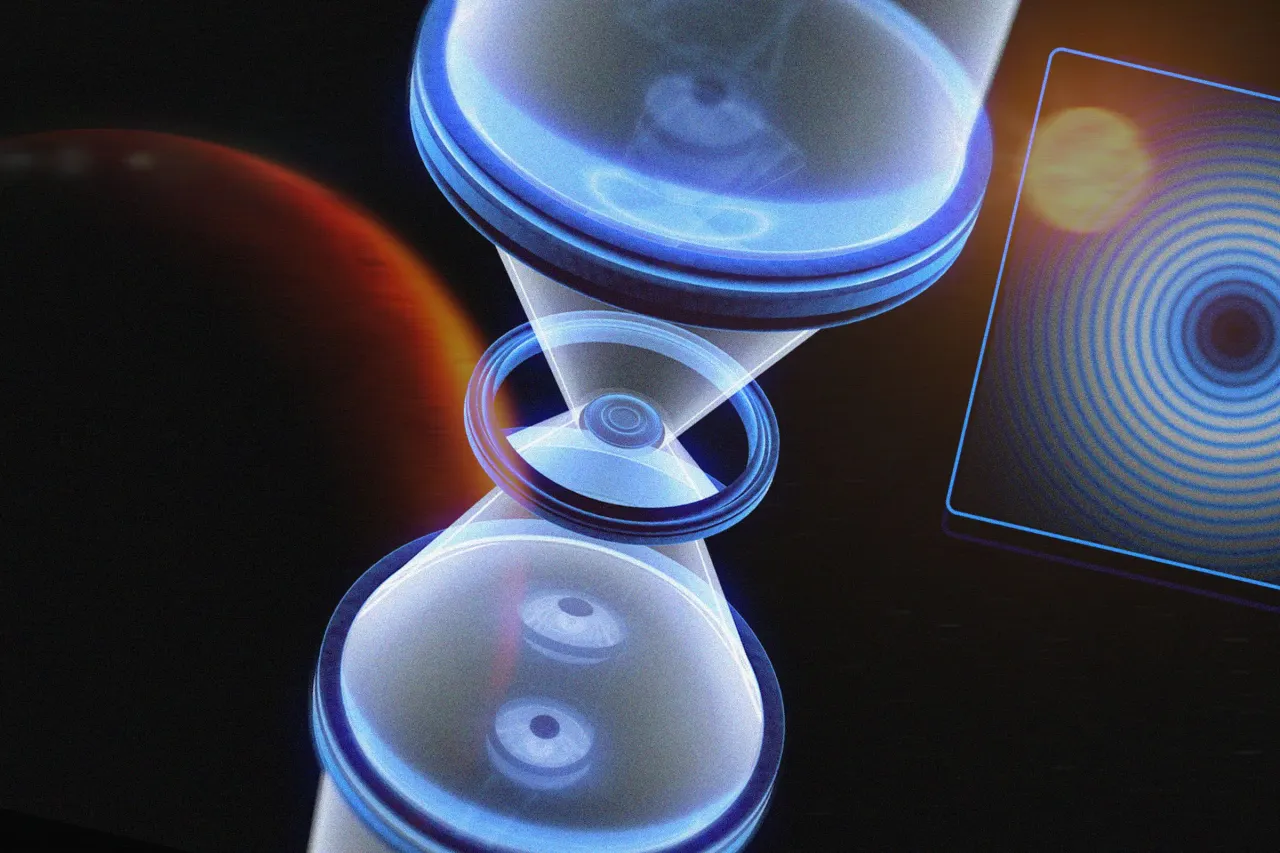
NASA’s Nancy Grace Roman Space Telescope is preparing to test an advanced coronagraph designed to block starlight and directly image light reflected by distant planets. The demonstration could help establish the technology needed for a future mission capable of viewing Earth-like worlds orbiting Sun-like stars, although Roman itself is not expected to achieve that goal.
Roman’s coronagraph will use two palm-sized deformable mirrors, each with about 2,300 actuators, plus highly sensitive detectors and complex star-blocking masks to suppress a star’s glare. NASA likens the challenge to photographing a firefly beside a floodlight from across the country; engineers will test the system on known exoplanets and dusty debris discs to identify its performance and remaining technical limitations.
- Roman will test a highly advanced exoplanet-imaging coronagraph in space.
- Deformable mirrors aim to remove faint starlight distortions.
- Results could inform future searches for Earth-like planets.
New here? Start with this
NASA’s Nancy Grace Roman Space Telescope is a space observatory designed to study the universe, including planets beyond our solar system. These planets, called exoplanets, are usually difficult to see directly because their stars shine far more brightly than they do.
A coronagraph is an instrument that blocks a star’s light so nearby objects can be observed. Roman’s version uses adjustable mirrors and specialised masks to reduce the glare, and will be tested on known planets and dusty discs around stars.
The test will show how well this approach works and what challenges remain. Roman is not expected to find Earth-like planets around Sun-like stars, but the results could inform plans for a future telescope designed to study such worlds.