NASA’s second Mars habitat simulation concludes after 378 days
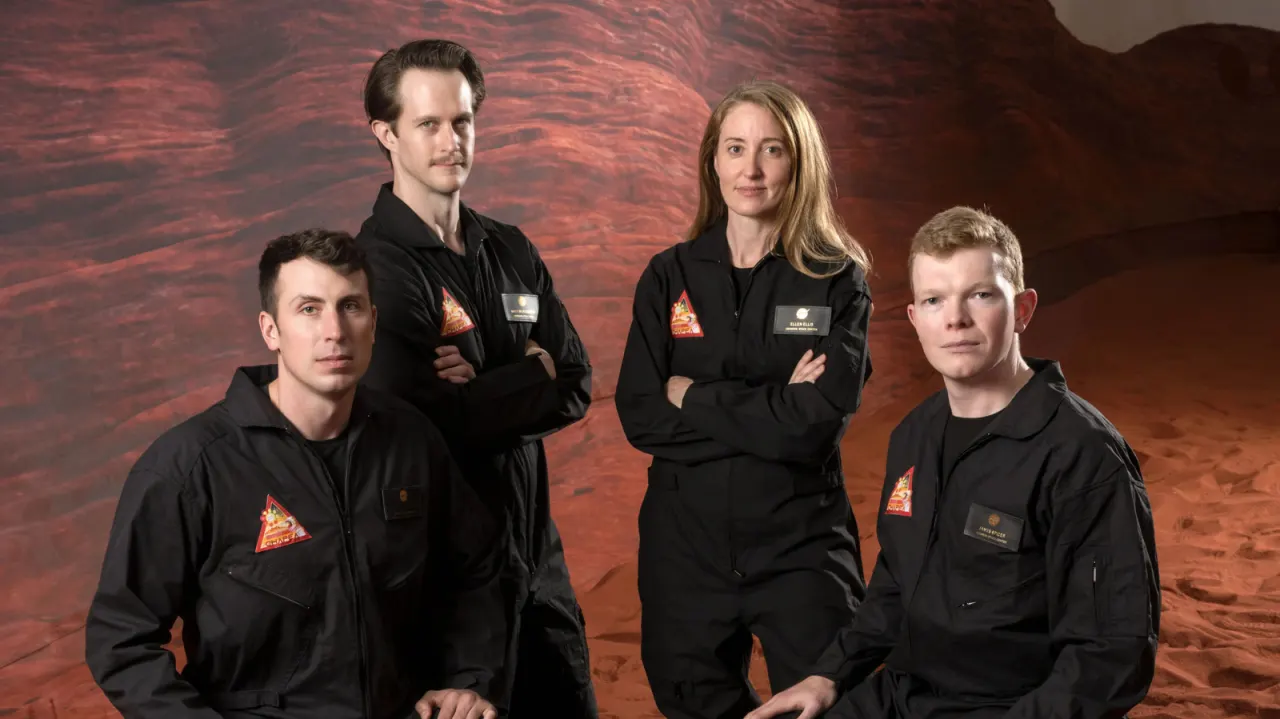
NASA’s second CHAPEA crew is ending a 378-day stay in a mock Mars habitat in Houston, with the exit streamed live from 3pm Eastern time. The simulation helps researchers study how people might cope with long missions to Mars and the Moon.
Ross Elder, Matthew Montgomery, Ellen Ellis and James Spicer lived in a 1,700-square-foot, 3D-printed facility, carrying out simulated spacewalks, maintenance and plant-growing tasks. They also faced isolation, communication delays and limited resources. NASA says the data can inform food systems for future lunar missions and preparations for extended spaceflight; applications are open for a further year-long analog mission due to start no earlier than August 2027.
In short
- NASA’s second mock Mars crew is completing a 378-day simulation.
- Four volunteers lived in an isolated habitat in Houston.
- The research will help prepare for long lunar and Mars missions.
Read the full article at the source →
Originally published by Engadget as “NASA’s second year-long Mars simulation mission ends today”.