Naseeruddin Shah, Gurvinder Singh Turn a Village’s Real Grief Into Locarno Competition Title ‘Rehmat’: ‘It’s Important That These Films Get Made’
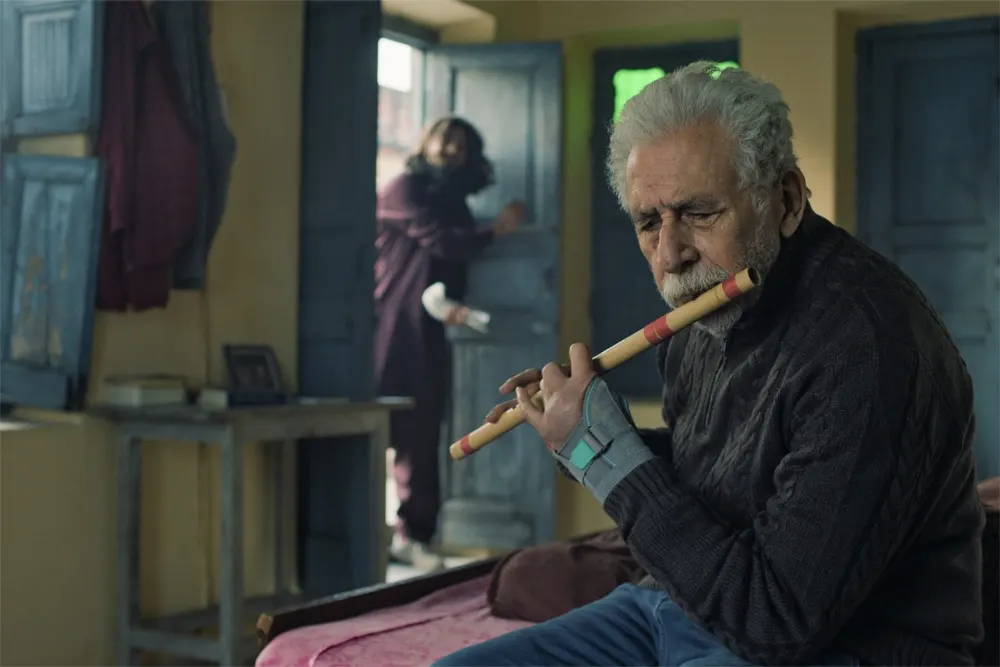
Indian director Gurvinder Singh's new film "Rehmat" has its world premiere in the main competition of the 79th Locarno Film Festival, marking the only Indian entry in the Concorso Internazionale this year as it competes for the Pardo d'Oro. The film, adapted from short stories by Punjabi writer Ajeet Cour, was shaped by real tragedy: shortly after Singh and his crew met the family whose home is used as the ancestral house in the film, the family's 19-year-old son died of a drug overdose, an event Singh says was impossible to leave out of a story about displacement and inherited grief in present-day Punjab.
The film stars veteran actor Naseeruddin Shah as Rashid Ali, a Punjabi Muslim who left before Partition and returns to his birthplace after decades in England, a role Shah agreed to before any script existed, based on his admiration for Singh's earlier work. Singh, whose 2011 debut "Anhey Ghorhey Da Daan" premiered in Venice, says the project gave him personal closure after decades of documenting Punjab's oral histories and processing trauma from the 1984 anti-Sikh violence in Delhi. Both director and star discuss the film's long-take style, Shah's approach to playing an outsider unfamiliar with Punjabi language and culture, and the ambiguity of a character who first presents himself to the village as God.
- Gurvinder Singh's "Rehmat" premieres in Locarno's main competition, sole Indian entry
- Naseeruddin Shah plays a Punjabi Muslim returning after Partition-era exile
- Film shaped by a real family tragedy the crew witnessed during production