Culture news and discussion on TalkFuse.
National Gallery studying Freedom 250 IndyCar vibrations’ impact on art
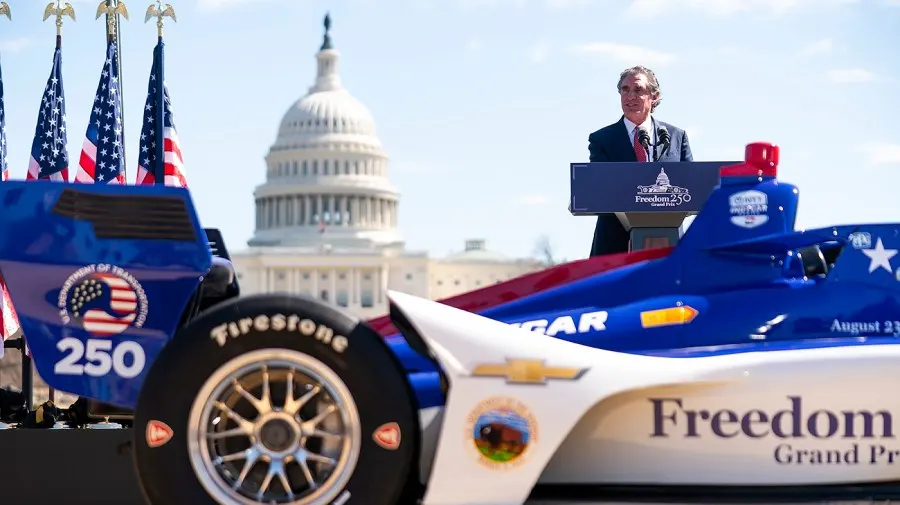
The National Gallery of Art is examining whether vibrations from the planned Freedom 250 IndyCar race in Washington could affect artworks in its collection. The assessment matters because high-speed racing near the National Mall may create vibration levels that pose conservation risks, requiring organisers and the museum to determine whether protective measures are needed.
The Freedom 250 Grand Prix is scheduled to use a 1.7-mile, seven-turn street circuit around the National Mall, with cars passing the National Gallery of Art, the National Archives and the Smithsonian’s Air and Space Museum. The event is intended as part of celebrations marking the 250th anniversary of US independence, and is expected to draw large crowds; the gallery’s study reflects wider concerns that repeated vibration can damage delicate artworks over time.
In short
- Gallery assesses IndyCar vibration risks to artworks.
- Race circuit passes close to the National Gallery.
- Event marks America’s 250th anniversary.
Steelman: both sides, in good faith
The strongest fair case each way — we don't pick a winner.
The case for
Celebrating the 250th anniversary of American independence on the National Mall, the symbolic centre of the nation, represents a significant national moment worthy of a grand public event. The vibrations from a racing event are unlikely to cause material harm to artworks, and protective measures can be implemented where necessary. A once-or-twice-annually occurring celebration should not be prevented by speculative conservation concerns when practical precautions are available.
The case against
The National Gallery houses irreplaceable works of immense cultural and historical significance that cannot be restored if damaged by vibrations. Even seemingly minor vibrations can accumulate over time and cause micro-damage to delicate paintings and sculptures. The protection of these national treasures through conservation should take paramount priority, and the precautionary principle should govern decisions affecting irreplaceable cultural heritage.
Explained simply
IndyCar is a form of open-wheel motor racing, with cars competing at high speed on purpose-built tracks and temporary street circuits. The planned Freedom 250 Grand Prix would run on roads around Washington’s National Mall as part of events marking 250 years since US independence.
The National Gallery of Art holds works that may be sensitive to repeated shaking. The gallery is assessing whether vibrations from the race could affect them, and whether any protections may be needed. The circuit would also pass nearby national museums and archives, making the event’s effects on historic collections a wider concern.
Art Culture Motorsport Politics Research Science Sport