World news and discussion on TalkFuse.
Nationalism and sword duels: The student fraternities that serve as AfD’s recruitment pool
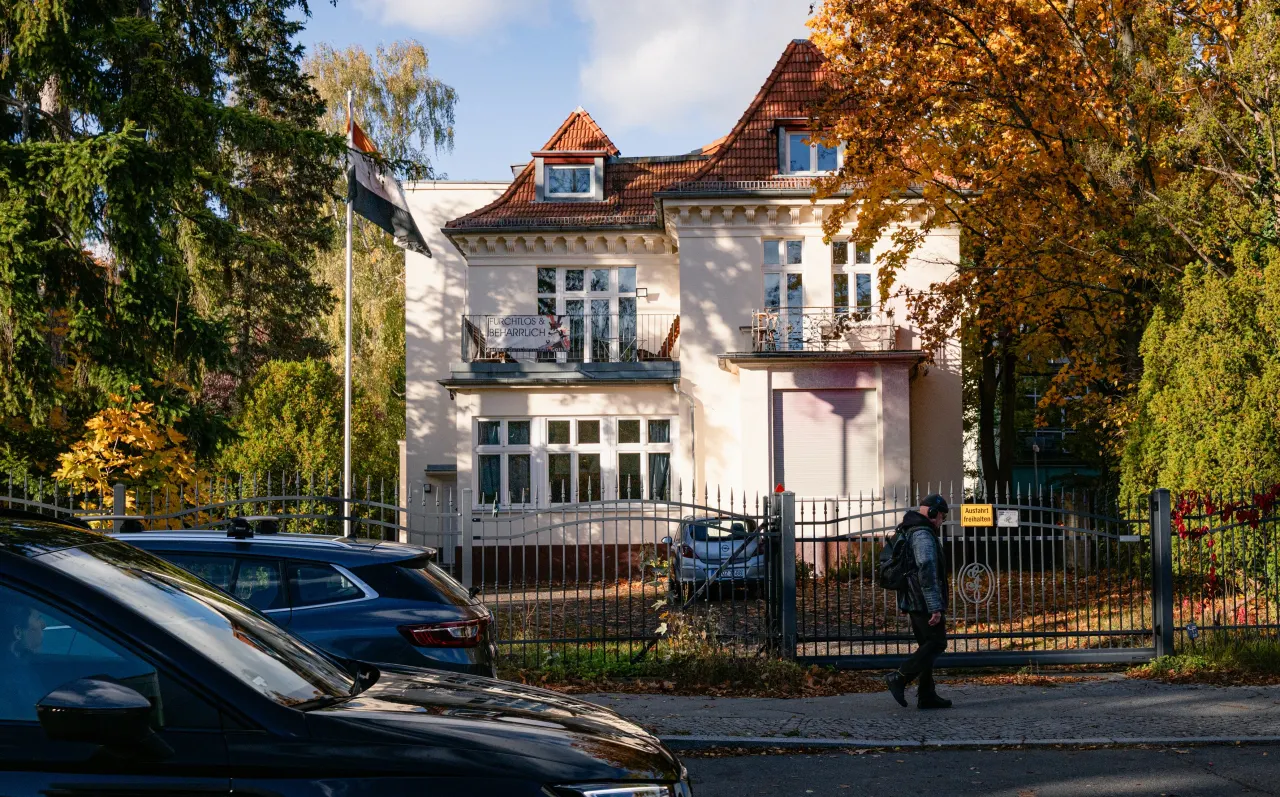
Two AfD councillors, Matthias Büschges and Jeremy Fanosch, fought a sword duel at a student fraternity headquarters in Düsseldorf on 17 October, following a dispute over who should lead the party in North Rhine-Westphalia. Both are alumni of the Deutsche Burschenschaft, a network of nationalist, all-male fraternities that has connections to numerous AfD politicians. The episode highlights how these groups can provide the party with contacts and potential recruits.
The fraternities trace their origins to 1815 and promote national pride; some have been monitored by German intelligence services over members’ activities. The Federal Agency for Civic Education estimates there are 120 nationalist associations, with 1,300 students and 10,000 alumni, and classifies them as far right. Journalist Olaf Sundermeyer’s book counts 63 active fraternities in Germany and Austria, and identifies Berlin’s Gothia as a significant AfD recruitment source.
In short
- Two AfD councillors settled a party dispute in a sword duel.
- Both belonged to nationalist student fraternities.
- These groups are described as a recruitment pool for AfD.
Steelman: both sides, in good faith
The strongest fair case each way — we don't pick a winner.
The case for
The fraternities’ defenders may argue that preserving traditions of national pride, fraternity and formal duelling is a legitimate part of student life, and that association with politicians does not make every member responsible for their politics. They may also regard intelligence monitoring or broad labels as insufficient grounds to condemn groups without evidence of unlawful conduct by particular organisations or individuals.
The case against
Critics may argue that these fraternities are more than private social clubs when they foster nationalist networks that help far-right politicians find contacts and recruits. Their all-male traditions, reported links to AfD figures and monitoring of some groups by intelligence services can reasonably raise concern that they normalise exclusionary politics and strengthen the party’s organisation.
Explained simply
German student fraternities are longstanding associations that bring together students and former students. Some promote nationalist ideas, and German authorities have monitored certain groups over members’ activities. The Federal Agency for Civic Education describes around 120 nationalist associations as far right.
The Deutsche Burschenschaft is a network of all-male fraternities with links to a number of AfD politicians. Matthias Büschges and Jeremy Fanosch, two AfD councillors, are alumni of the network. Journalist Olaf Sundermeyer has identified Berlin’s Gothia fraternity as a notable source of recruits for the party.
These groups can give members lasting contacts and connections into politics. Their links to AfD figures help explain how fraternities may serve as a pool of contacts and potential recruits for the party.