World news and discussion on TalkFuse.
Nationwide ground stop exposes the nightmare of flying from US airports
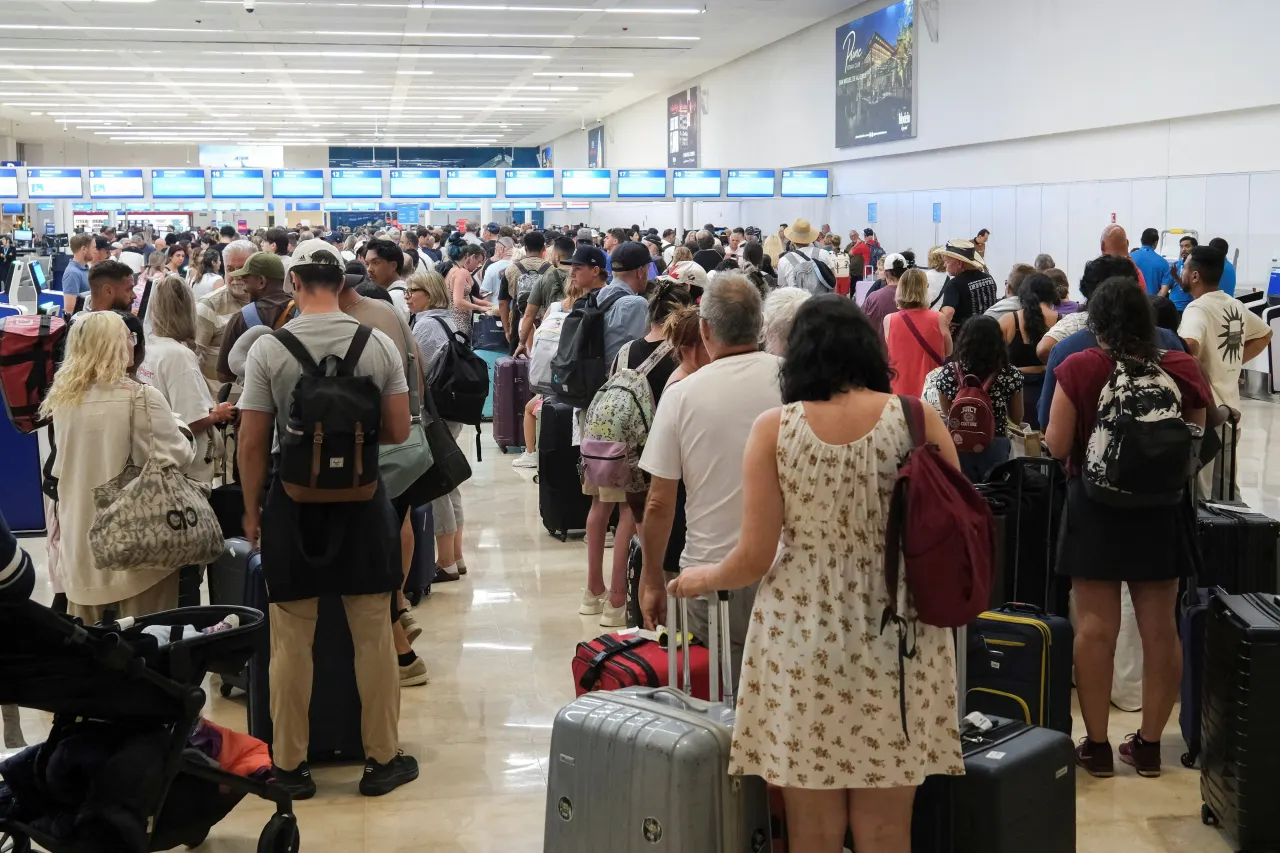
A computer communications failure triggered a nationwide US ground stop, cancelling nearly 10,000 flights and delaying another 25,000. The disruption left airports in chaos and highlighted concerns about ageing infrastructure and pressure on an air traffic system long regarded as highly safe.
Transportation Secretary Sean Duffy blamed obsolete equipment and called for $50 billion to modernise the network. The article also points to staff shortages, crowded major airports, extreme weather and changes to safety oversight as contributing pressures. US flying remains safer than driving, but a 2025 collision over the Potomac that killed 67 people ended nearly 16 years without a fatal air accident in US airspace.
In short
- A communications failure cancelled nearly 10,000 US flights.
- Ageing air traffic systems face calls for $50 billion in investment.
- Staffing, congestion and weather add pressure to aviation safety.
Steelman: both sides, in good faith
The strongest fair case each way — we don't pick a winner.
The case for
The ground stop shows that ageing air traffic systems need urgent investment: a communications failure can disrupt travel nationwide, while staff shortages, crowded airports and extreme weather add pressure to a system with little room for error. Modernising equipment and strengthening staffing and oversight could make operations more resilient and help sustain the strong safety record on which passengers depend.
The case against
A nationwide disruption does not by itself establish that a $50 billion modernisation programme is the right response or that ageing equipment was the sole cause. Officials should identify the failure’s specific causes and compare investment options, while recognising that aviation remains highly safe and that weather, staffing and airport capacity may require distinct remedies rather than a single costly overhaul.
Explained simply
US air traffic is coordinated through a network of controllers, computer systems and communications equipment that helps keep planes safely separated and moving between airports. A failure in one part of that network can affect flights across the country, even when local airport conditions are normal.
The Federal Aviation Administration, or FAA, oversees civil aviation and air traffic control. Transportation Secretary Sean Duffy has called for major investment to update ageing equipment; staffing levels, crowded airports and severe weather also affect how the system operates.
Flying in the US remains safer than travelling by car, but safety depends on reliable equipment, trained staff and effective oversight. A 2025 mid-air collision near Washington, DC, that killed 67 people drew renewed attention to how these pressures are managed.