Science news and discussion on TalkFuse.
Natural England and Environment Agency could be abolished in quango cull
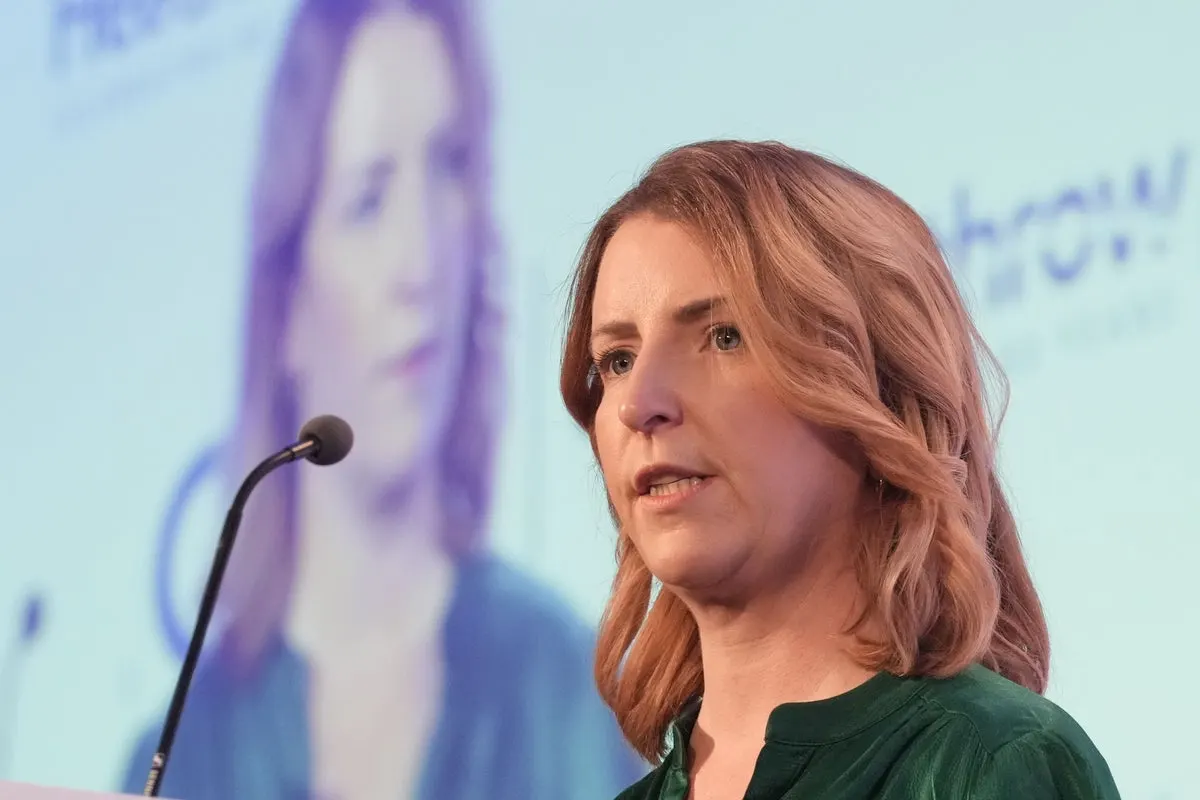
Louise Haigh has signalled that Natural England, the Environment Agency, Ofwat and the Drinking Water Inspectorate could be abolished or reorganised as part of a review of government regulators. She says reform is intended to increase public control, clarify ministerial accountability and speed up decisions.
The review will examine which functions should be devolved, ended or brought into government departments; work on Natural England has begun. Plans announced last year already proposed combining Ofwat and the Drinking Water Inspectorate with the Environment Agency’s water functions. Conservatives urged Labour to go further, while the Prospect union warned that regulators protect the environment and face high workloads after years of reduced resources.
In short
- Four environmental and water regulators could be abolished or reorganised.
- The review aims to speed decisions and increase public control.
- Unions warn regulators are stretched and their work remains important.
Steelman: both sides, in good faith
The strongest fair case each way — we don't pick a winner.
The case for
Supporters of reform argue that consolidating or bringing regulators into government could make responsibility clearer, reduce duplication and let ministers respond more quickly to public concerns. They see stronger democratic control as a way to improve accountability for decisions about water and the environment.
The case against
Those opposing abolition or major restructuring argue that specialist regulators provide independent scrutiny and protect environmental and public health interests from short-term political pressures. With workloads already high after years of reduced resources, they warn that disruption or weakened capacity could make oversight less effective.
Explained simply
Natural England advises the government on protecting wildlife and landscapes, while the Environment Agency regulates pollution, flood risks and water quality in England. Ofwat oversees water companies and the Drinking Water Inspectorate checks the quality of public drinking water.
These bodies are public regulators, often called quangos, which carry out government functions at some distance from ministers. Their roles can overlap, particularly on water, so proposals to reorganise them raise questions about who would make decisions and how the work would be overseen.
The debate matters because these organisations affect environmental protection, water services and flood management. Any changes could alter how those responsibilities are carried out and how much control rests with ministers or local authorities.
Environment Politics Science UK World