Science news and discussion on TalkFuse.
Nature reserves spot rare species during heatwaves
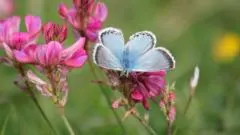
Volunteers with the Herts and Middlesex Wildlife Trust have recorded a string of rare and long-absent species at nature reserves across Hertfordshire this summer, which the trust attributes partly to unusually hot weather and partly to increased surveying effort. Notable sightings include a great white egret near Ware and more than 300 Chalkhill blue butterflies at Hexton Chalk Pit near Hitchin, where a glow-worm was also found for the first time in 25 years. The trust says such records help it understand how species are responding to environmental change and inform how its reserves are managed.
The St Albans-based trust manages more than 40 reserves covering nearly 810 hectares across Hertfordshire and Middlesex, and reports that grasshoppers and butterflies thrived in the heat while bumblebees and hoverflies struggled. Its Herts Invertebrate Project, running since 2015, made several notable finds, including a planthopper never before recorded in the county, a leafhopper not seen since 1916, another absent since 1976, and a nationally rare money spider. Jersey Tiger moths and Hummingbird Hawk-moths, previously associated with warmer regions further south, are also increasingly being seen in Hertfordshire.
In short
- Rare species recorded at Hertfordshire nature reserves this summer.
- Hot weather and more surveying behind the sightings, trust says.
- Finds include a glow-worm, egret and long-absent invertebrates.
Explained simply
Nature reserves protect habitats and give wildlife space to feed and breed. The Herts and Middlesex Wildlife Trust manages more than 40 reserves across Hertfordshire and Middlesex, where volunteers record the plants and animals they find.
Changes in weather and habitat can affect which species live in an area. Hot conditions may suit some insects more than others, while increased surveying can reveal species that were present but had gone unnoticed.
These records help the trust track how wildlife is changing and decide how to manage its reserves. Sightings of species usually found further south can also help show how their range is shifting.
Environment Offbeat Science Weird & Viral