World news and discussion on TalkFuse.
NEA expands surveillance camera scheme with town councils to tackle high-rise littering
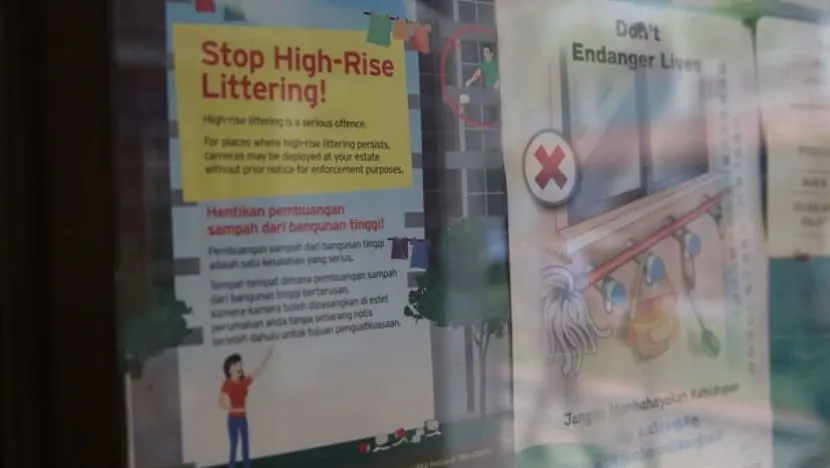
Singapore’s National Environment Agency (NEA) is expanding a partnership with town councils to tackle litter thrown from high-rise buildings. Councils can now request up to three camera deployments a month, up from two, after a pilot produced a higher offence detection rate than NEA’s islandwide deployments.
The six-month pilot, launched in October 2025, recorded a 34 per cent catch rate, compared with 26 per cent across NEA’s camera deployments over the same period; all 19 town councils took part, with 73 deployments from October 2025 to April 2026. Councils identify hotspots using local observations and estate information, while NEA installs cameras and investigates offences. In one case, footage led to the identification and prosecution of an offender, who was fined S$700.
In short
- Town councils can request up to three camera deployments monthly.
- The pilot’s catch rate was 34 per cent.
- NEA investigates offences captured by the cameras.
Steelman: both sides, in good faith
The strongest fair case each way — we don't pick a winner.
The case for
Expanding the scheme could deter people from throwing litter from high-rise buildings and help identify those who do, improving cleanliness and residents’ quality of life. The pilot’s higher detection rate suggests that councils’ local knowledge can help NEA target cameras more effectively, while the S$700 fine shows that enforcement can have consequences.
The case against
More camera deployments may increase surveillance of residents and visitors, raising concerns about privacy, proportionality and how footage is handled. The higher catch rate shows that targeted cameras detect more offences, but does not by itself establish whether the expansion will reduce littering or whether cameras are the best use of public resources compared with prevention and community measures.
Explained simply
Singapore’s National Environment Agency (NEA) is the national body responsible for environmental issues, including littering. Town councils look after shared spaces and facilities in public housing estates, where rubbish thrown from flats can affect people living below and the surrounding area.
The camera scheme brings the two together: councils point out places where high-rise littering is a concern, and NEA installs cameras and investigates recorded incidents. Its expansion follows a six-month trial involving all 19 town councils, which detected offences more often than NEA’s wider camera deployments.
The issue matters because litter from upper floors can create health and safety concerns for residents and make shared areas unpleasant. The arrangement also shows how local estate knowledge can help direct enforcement.