World news and discussion on TalkFuse.
Neighbor of murdered 7-year-old blasts Gavin Newsom for sparing killer after 24-year wait for justice
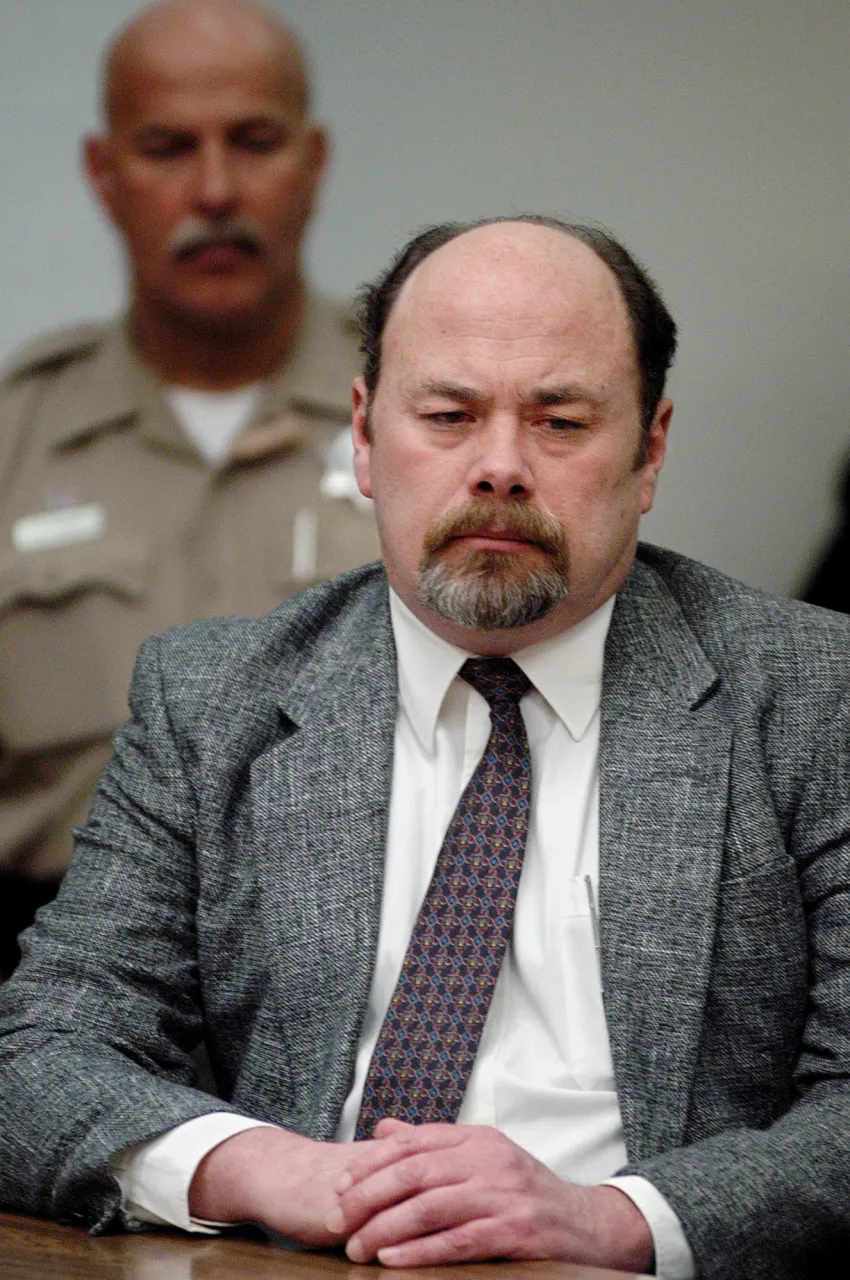
California Governor Gavin Newsom’s decision to commute the death sentences of all 548 people on the state’s death row has drawn criticism from Christina Buttons, a neighbour of murder victim Danielle van Dam. Buttons says the decision has revived the trauma she experienced as a teenager and may remove the possibility that David Westerfield, sentenced for van Dam’s 2002 kidnapping and murder, will be executed. Her account highlights the continuing impact of the crime and the disagreement over how California should carry out justice.
Buttons was 13 when seven-year-old van Dam was taken from her bedroom; the child’s body was found 24 days later. Buttons says she has waited 24 years for Westerfield’s execution and has urged the California Supreme Court to reject the commutation, which would require its approval for people with multiple felony convictions. She also argues that voters rejected abolishing the death penalty in 2012 and 2016, while Newsom has described his decision as a moral choice and acknowledged it would cause anger and pain.
In short
- Newsom plans to commute all 548 California death sentences.
- A victim’s neighbour says the decision has revived lasting trauma.
- Westerfield’s commutation would require California Supreme Court approval.
Steelman: both sides, in good faith
The strongest fair case each way — we don't pick a winner.
The case for
Those who support Newsom’s commutation can argue that the state should not carry out executions, even in deeply painful cases, because a government-imposed death is irreversible and raises moral concerns. They may also see the decision as a principled use of executive authority to halt executions while leaving the convictions and other sentences in place.
The case against
Those who oppose the commutation can argue that it overrides voters’ repeated decisions to retain capital punishment and weakens the sentence imposed after a serious crime. For victims’ families and people closely affected by the case, preserving the possibility of execution may represent accountability and respect for the harm done, as well as a promise of justice long awaited.