Nepal flood LIVE: Fears of second tsunami as lake breaks its banks and locals run for high ground as rescue efforts are halted
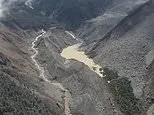
Nepalese authorities warned of renewed flooding after a dammed lake in Tibet reportedly broke its banks, prompting people and rescue workers to seek higher ground. Helicopter rescues were suspended as river levels rose, adding to the danger following Wednesday’s devastating flash floods in the Rasuwa area.
Police said they had received information that a water barrier had burst on the Tibetan side, while officials said the scale of the rising water remained unclear. Chinese authorities estimated the lake already held about 2 million cubic metres of water and could receive a further 3 million cubic metres within three days; Nepalese police reported 477 deaths from the earlier floods, with survivors also rescued from a hydropower-plant tunnel.
- Renewed flooding fears halted helicopter rescue operations.
- A Tibetan dammed lake reportedly overflowed or breached.
- Nepalese police reported 477 deaths from Wednesday’s floods.
New here? Start with this
Nepal’s northern districts include steep Himalayan valleys crossed by rivers that flow south from Tibet, the Chinese region bordering Nepal. Heavy rain, landslides and sudden releases of water can quickly turn these rivers into dangerous flash floods, cutting off roads and settlements.
Rasuwa district lies near the border and is an important route between Nepal and Tibet, as well as a site for hydropower projects. Dams, landslides or debris can temporarily block a river and form a lake; if the barrier fails, water can surge downstream with little warning.
Nepalese emergency services, local authorities and the army typically lead evacuations and rescues, while information about conditions upstream may also depend on Chinese officials. Such floods can threaten homes, bridges, power facilities and rescue operations, especially in remote mountain areas.