Culture news and discussion on TalkFuse.
Netanyahu opens up about working relationship with Trump, says Israel is ‘junior partner’
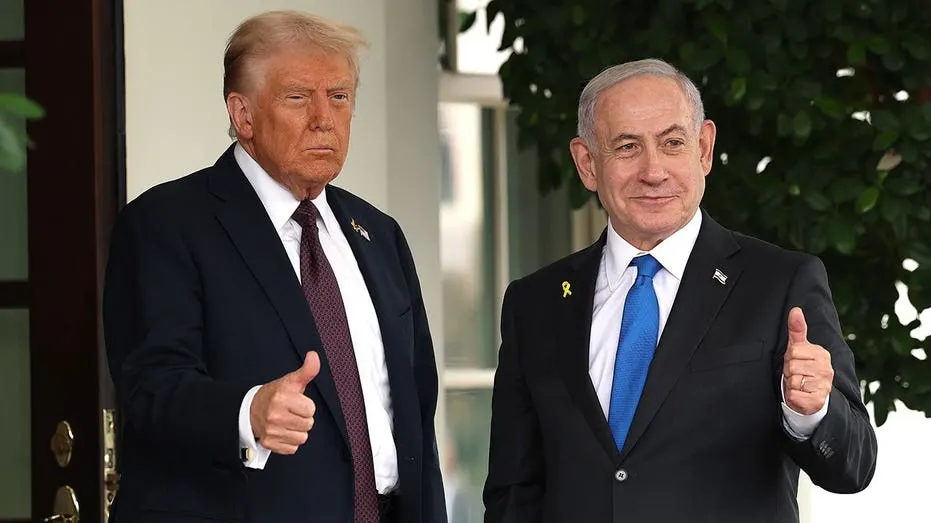
Israeli Prime Minister Benjamin Netanyahu said his relationship with President Donald Trump is based on mutual respect and a willingness to discuss disagreements openly. He rejected suggestions that either leader simply “calls the shots”, describing Israel instead as the “junior partner” in an alliance with the United States.
Speaking in a preview of an interview with Sean Hannity, Netanyahu praised Trump for speaking plainly and said their long familiarity helps them work through differences. His comments underline Israel’s reliance on US political and military support while seeking to present the partnership as cooperative rather than subordinate.
In short
- Netanyahu calls Israel the US’s “junior partner”
- He says disagreements with Trump are discussed openly
- He portrays the alliance as respectful and cooperative
Steelman: both sides, in good faith
The strongest fair case each way — we don't pick a winner.
The case for
Netanyahu’s account presents the alliance as a candid partnership in which both leaders can raise disagreements while working towards shared security goals. Calling Israel the junior partner recognises the imbalance in resources and support without implying that Israel has no agency in shaping joint decisions.
The case against
The junior-partner description may understate how much US support gives Washington influence over Israel’s choices, particularly when the two governments disagree. Critics could argue that describing the relationship as mutual and respectful risks obscuring the practical limits on Israel’s independence and the unequal power between the allies.
Explained simply
Benjamin Netanyahu serves as Prime Minister of Israel, leading the country's government. Donald Trump is the President of the United States, having previously held the office as well.
The United States and Israel maintain a long-standing military and political partnership. Israel relies on substantial American military aid, financial support and diplomatic assistance to advance its interests globally.
The two countries must frequently coordinate their positions on Middle Eastern affairs, though they do not always see eye to eye. The strength of their working relationship affects both nations' ability to address regional conflicts and security challenges.