Netanyahu vows ‘very, very forceful’ response if Iran attacks Israel
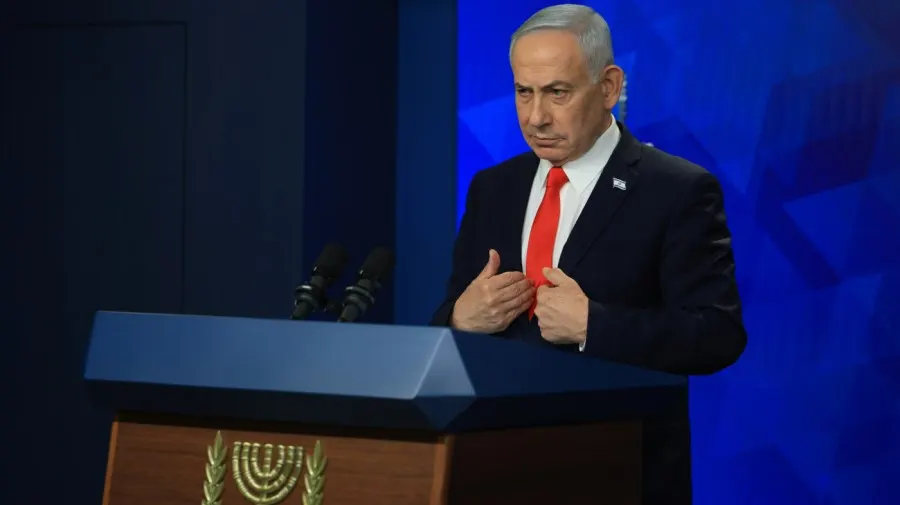
Israeli Prime Minister Benjamin Netanyahu warned on Sunday that any attack on Israel by Iran, whether direct or carried out through proxies, would be a "terrible mistake" and would be met with a "very, very forceful" response. His remarks, made during an interview on Fox News, come amid rising tension between the United States and Iran following the breakdown of a memorandum of understanding between the two countries, and as speculation grows over possible further US military action against Tehran.
Netanyahu specified that any assault involving ballistic missiles, UAVs or "killer drones" would prompt severe retaliation, though he stopped short of detailing what form this might take. President Trump has reportedly weighed a "massive" strike on Iran but has also indicated ongoing diplomatic contact with Iranian officials, and a 13-day run of tit-for-tat US-Iran strikes broke overnight on Saturday with no exchange of fire. Netanyahu is due to meet Trump at the White House this week and will separately attend the funeral of the late Senator Lindsey Graham, a prominent Israel ally; he said he does not plan to bring fresh intelligence on Iran's nuclear programme but wants to hear Trump's thinking, noting the decision on next steps ultimately rests with the US president.
In short
- Netanyahu threatens forceful retaliation if Iran attacks Israel
- Comes amid US-Iran tension after ceasefire agreement collapse
- Netanyahu to meet Trump at White House this week
Steelman: both sides, in good faith
The strongest fair case each way — we don't pick a winner.
The case for
Those supporting strong deterrence argue that Israel faces genuine security threats and that credible threats of severe retaliation reduce the likelihood of attack by raising its cost and making it appear irrational. Clear communication of red lines and consequences has historically prevented conflict by establishing that aggression would be met with overwhelming strength. From this perspective, Netanyahu's warning serves peace by signalling resolve and thereby deterring hostile action rather than provoking it.
The case against
Those advocating de-escalation contend that public threats and tit-for-tat strikes create self-reinforcing cycles that become difficult to control or reverse, risking unintended escalation beyond anyone's intended bounds. The recent pause in hostilities suggests diplomatic openings may exist, and forceful public statements reduce flexibility at the negotiating table by making political retreat costly. Lasting security, they argue, requires dialogue and mutual understanding rather than escalatory rhetoric with potentially catastrophic humanitarian consequences.
Explained simply
Israel and Iran have been regional adversaries for decades, with their conflict centred on Iran's nuclear programme and competing influence in the Middle East. The two countries have attacked each other directly and through proxy forces, creating a pattern of tit-for-tat military action.
The United States and Iran have recently experienced a breakdown in diplomatic relations and conducted military strikes against one another over the past fortnight. As a key US ally in the region, Israel works closely with the American administration on matters concerning Iran.
The ongoing tensions between these three powers—Israel, Iran, and the United States—carry significant consequences for Middle Eastern stability and could reshape regional power dynamics. Any escalation in military action risks drawing more countries into conflict and destabilising a region already beset with numerous disputes.
Art Culture Government Middle East Politics World