Netflix’ Latest Marketing Mash-Up Pairs Stella Artois With ‘The Gentlemen’
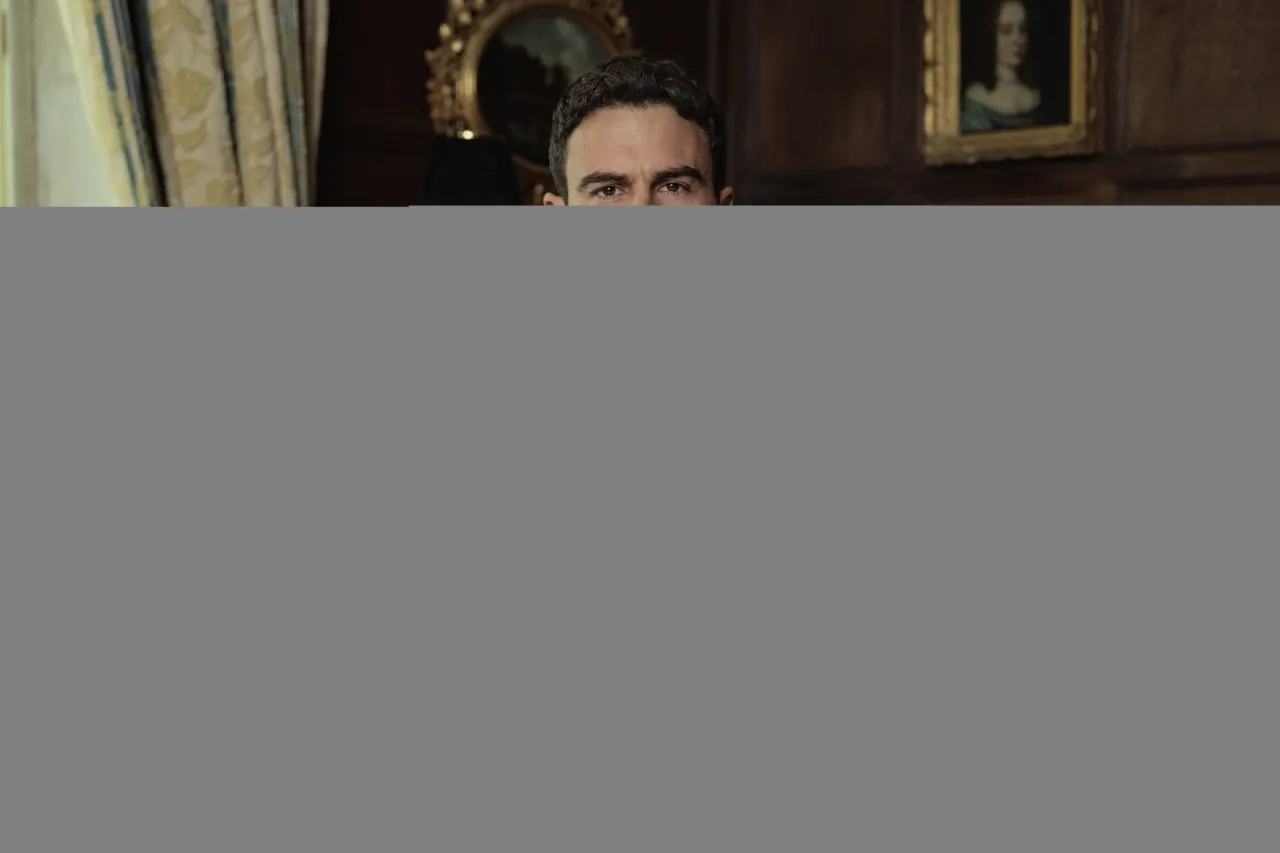
Netflix has struck a marketing partnership with Anheuser-Busch InBev to promote the second season of its Guy Ritchie series "The Gentlemen" by transforming the historic Marlborough Pub in London into a themed venue in the show's style. Running from 3 to 5 September, the takeover lets visitors hunt for hidden references to the series while drinking Stella Artois, and marks the first brand tie-in for the show as well as the first activation under a multi-year deal between the two companies announced last September. The move reflects Netflix's ongoing push to offer advertisers bespoke, story-integrated promotions rather than conventional 30-second adverts, building on past successes such as reviving Coca-Cola's "New Coke" for "Stranger Things" and weaving State Farm's "Jake" character into "Running Point".
Visitors to the pub will be able to order Stella Artois, take home limited-edition items including an engraved chalice, and view vignettes explaining a five-step pouring ritual, featuring series star Theo James and brand ambassador David Beckham. Anheuser-Busch InBev's global CMO said the aim was to make the branding feel indistinguishable from the show itself rather than simply placed alongside it. The campaign will run across the US, UK, Canada, Brazil, Colombia, Mexico, South Africa and South Korea, supported by social media, as both companies look to boost the series' audience ahead of its second-season debut.
- Netflix and Stella Artois transform a London pub to promote "The Gentlemen" season two.
- Takeover runs 3–5 September, featuring themed decor, drinks and merchandise.
- Part of a multi-year Netflix–AB InBev deal spanning eight countries.
New here? Start with this
Netflix is a subscription streaming service that commissions television series, including The Gentlemen, a crime drama created by British film-maker Guy Ritchie. The show’s second season is the focus of a promotion with Anheuser-Busch InBev, the global brewer whose brands include Stella Artois.
Companies often pay to connect their products with entertainment, through adverts, sponsorships or themed events. These tie-ups matter because they give streaming services another way to attract advertisers and help brands reach audiences; they can also shape how closely a product is associated with a programme.
Both sides, in good faith
The strongest fair case each way — we don't pick a winner.
The case for
This approach to advertising represents thoughtful evolution that respects both consumers and creators. Rather than interrupting entertainment with disruptive ads, integrated partnerships allow Netflix to fund quality content whilst providing advertisers authentic engagement with audiences who have actively chosen to participate. The transparency about these partnerships is clear, and consumers benefit from experiential activations that enhance rather than interrupt their entertainment. This model ultimately benefits viewers by sustaining the production of expensive shows.
The case against
The seamless integration of brands into entertainment content, particularly when companies explicitly aim to make advertising indistinguishable from the show itself, represents a troubling erosion of the boundary between media and commerce. This approach is especially concerning with alcohol brands, which require particular scrutiny in advertising, and blurs lines that may prevent audiences from maintaining critical distance from marketing messages. Even if technically transparent, the fundamental goal of making branding invisible to viewers undermines genuine informed consent and contributes to a culture where all entertainment becomes primarily a vehicle for corporate promotion.