Culture news and discussion on TalkFuse.
Netflix Officially Sets Release Date for New 6-Part British Crime Miniseries
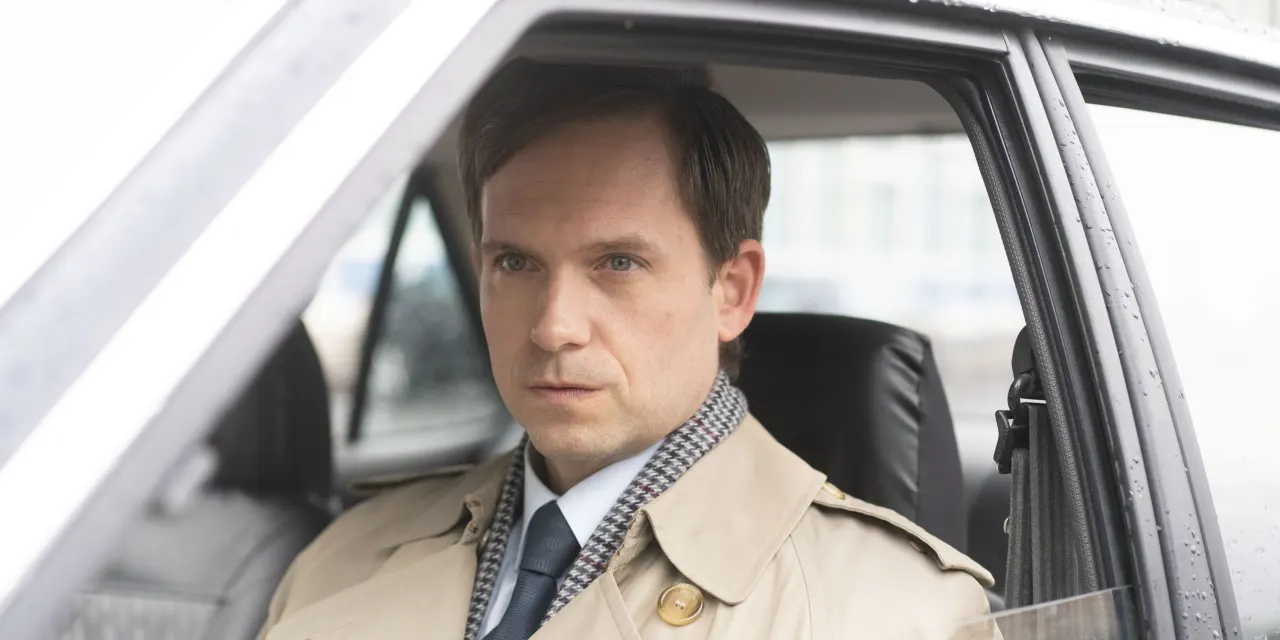
Netflix is releasing a new six-part miniseries on 30 July called The Bombing of Pan Am 103, which dramatises one of Britain's deadliest terrorist attacks. On 21 December 1988, a passenger aircraft flying from London to New York exploded over Lockerbie, Scotland, killing 270 people, including 190 American citizens. The investigation revealed that a bomb had been hidden inside a cassette player placed in checked luggage that transferred from a connecting flight, and evidence eventually pointed to operatives from Libya's intelligence service.
The scripted drama draws on testimonies from those connected to the tragedy and depicts how the Scottish town became central to this mass casualty event. The series follows the collaborative investigation between Scottish and American law enforcement that identified Libyan operatives as responsible, leading to the conviction of one Libyan officer. Although Libya's government did not formally acknowledge responsibility until 1991—over two decades after the attack—the series explores both the investigative process and the lasting human impact on families and communities. Having previously aired on BBC in the UK, the miniseries now makes its international streaming debut on Netflix.
In short
- Netflix releases 'The Bombing of Pan Am 103,' a 6-part historical drama on July 30, dramatising the 1988 terrorist attack over Scotland that killed 270 people
- The series follows the investigation connecting the bombing to Libyan operatives and explores its impact on Lockerbie's residents and victims' families
- Previously aired on BBC UK, the drama now debuts internationally on Netflix, based on testimonies from those affected by the tragedy
Steelman: both sides, in good faith
The strongest fair case each way — we don't pick a winner.
The case for
Historical dramas like this serve an important educational function, keeping significant events alive in public memory and ensuring new generations understand pivotal moments and their human toll. By incorporating testimonies from those directly affected by the tragedy, the series honours victims' stories with dignity and authenticity, making their experiences accessible to global audiences. Such dramatisations ensure that important historical events and the people touched by them are not forgotten.
The case against
Dramatising recent mass tragedies for commercial entertainment raises legitimate concerns about exploitation and respect for grieving families. Turning genuine human suffering into scripted drama, particularly on profit-driven streaming platforms, risks prioritising narrative drama over accuracy and honouring the dead. Families living with ongoing trauma may experience such dramatisation as distressing rather than respectful, and documentary or testimony-based approaches might better serve victims' interests than creative dramatisations that inevitably take liberties with real suffering.
Explained simply
On 21 December 1988, a passenger aircraft flying from London to New York exploded over the Scottish town of Lockerbie, killing 270 people. It remains one of Britain's deadliest terrorist attacks.
Investigators discovered that a bomb had been hidden inside a cassette player in checked luggage. After a lengthy investigation involving Scottish and American law enforcement, evidence pointed to operatives from Libya's intelligence service, and one Libyan officer was eventually convicted. Libya's government did not formally acknowledge responsibility until 1991.
The bombing affected hundreds of families and had lasting consequences for the Lockerbie community. The case involved an investigation spanning multiple countries and raised questions about state responsibility for terrorist acts.
Art Culture Entertainment TV UK World