World news and discussion on TalkFuse.
Netflix Sets Keiko ‘Free Willy’ Orca Documentary Amid Wave Of Mexican Projects
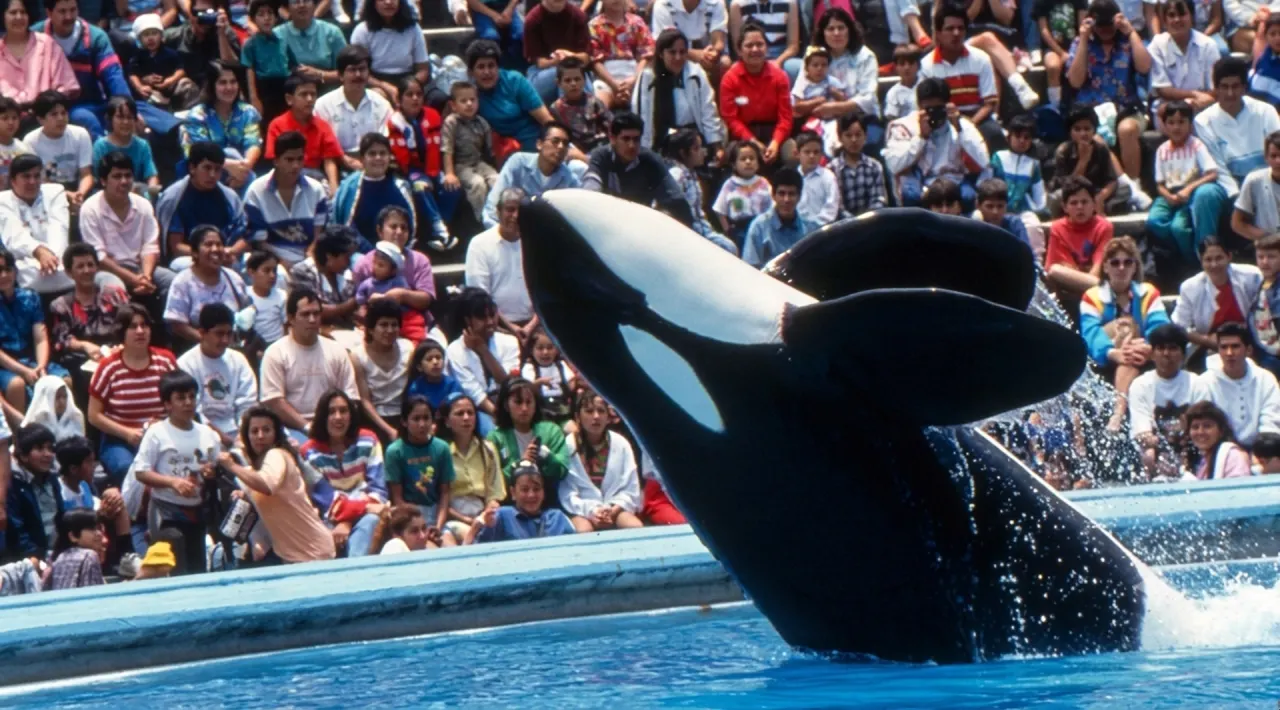
Netflix has commissioned a feature documentary about Keiko, the orca made famous by the 1993 film Free Willy, as interest in the story grows alongside a planned Warner Bros reimagining. The film will examine Keiko’s life in captivity, his role in inspiring animal-rights activism, and the disputed attempt to return him to the ocean, making it a significant revisit of a high-profile conservation experiment.
Made by Mexican producers Mezcla and The Lift Films and directed by Santiago Fábregas, the untitled documentary is one of three new Netflix feature-documentary commissions from Mexico. The other projects are Liliana’s Invincible Summer, about the 1990 murder of architecture student Liliana Rivera Garza, and Marcos: Another World is Possible, about Subcomandante Marcos and Zapatista communities after the 1994 uprising; Netflix is also creating a dedicated Mexican-storytelling section.
In short
- Netflix will document Keiko, the real orca behind Free Willy.
- The film explores his controversial return-to-the-wild programme.
- Two further Mexican documentaries have also been commissioned.
Steelman: both sides, in good faith
The strongest fair case each way — we don't pick a winner.
The case for
Supporters of Keiko’s return to the ocean argue that an intelligent, social wild animal should not spend its life confined for entertainment, particularly after becoming a symbol of public concern about captive orcas. They see the release effort as an ethically necessary attempt to restore autonomy and natural surroundings, even if rehabilitation was difficult and imperfect. In this view, the project also helped shift public expectations of marine-animal welfare and challenged an industry built around captivity.
The case against
Critics of the release effort argue that Keiko had spent most of his life in human care and may not have been equipped to survive independently or reintegrate safely with wild pods. They contend that good welfare requires judging each animal’s practical needs rather than treating release as an automatic moral outcome, and that supervised care may sometimes be the more humane option. From this perspective, the risks and costs of a highly publicised experiment raised serious questions about whether symbolism was allowed to outweigh the animal’s individual welfare.
Explained simply
Keiko was an orca held in captivity who became famous as the star of the 1993 film Free Willy. The film’s story of a boy helping a captive orca escape helped bring public attention to the treatment of marine animals.
After the film’s success, campaigners sought to move Keiko from captivity towards life in the ocean. The effort was closely watched, but the extent to which Keiko adapted to the wild, and whether the return was successful, have been debated. His story sits at the intersection of animal welfare, conservation and the limits of returning captive animals to the wild.
Americas Entertainment Film TV World