Entertainment news and discussion on TalkFuse.
Labour considers BBC licence fee for major streaming subscribers from 2028
Developing story first seen 1 hour ago
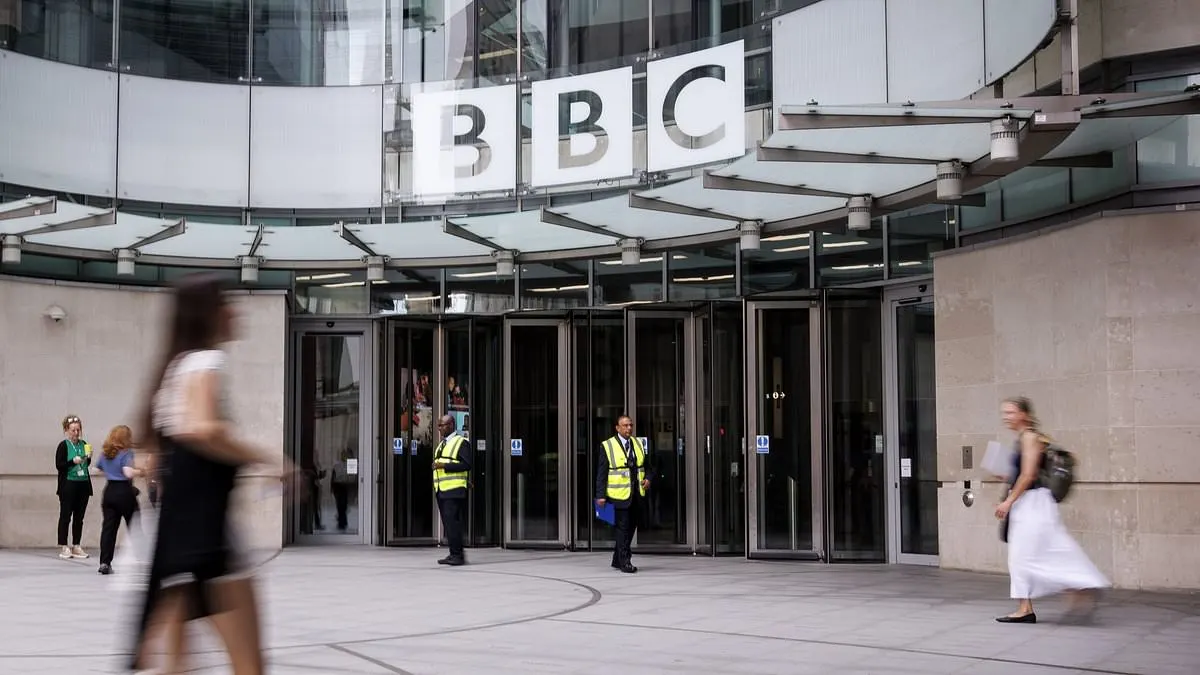
Labour is reportedly preparing to extend the BBC licence fee to subscribers of major streaming services, whether or not they watch BBC programmes. The proposed change would be part of a major overhaul aimed at securing the BBC’s long-term finances, but has drawn criticism over household costs and warnings of possible effects on UK investment.
The £180 charge would apply to Netflix, Amazon Prime Video, Disney+ and Paramount+, and would not take effect before 2028. YouTube, Instagram, TikTok, BBC radio and the BBC news website would be exempt. Ministers are still considering whether to decriminalise non-payment, while the fee amount is not expected to fall; the government has not yet commented.
- Sources
- 2
- Outlets
- 2
- Left · Centre · Right
- 0 · 0 · 2
In short
- Labour plans a £180 licence fee for major streaming subscribers.
- The charge would apply from 2028 at the earliest.
- YouTube and social media services would be exempt.
How this story developed
- 38 minutes ago Culture Secretary Lisa Nandy is due to unveil the overhaul before Christmas, with the £180 charge applying to Netflix, Amazon Prime Video, Disney+ and Paramount+ no earlier than 2028, while YouTube, social media apps and BBC radio and news online remain exempt.
- 43 minutes ago Labour is reportedly preparing to extend the BBC licence fee to subscribers of major streaming services, such as Netflix and Amazon Prime Video, regardless of whether they watch BBC programmes.
Steelman: both sides, in good faith
The strongest fair case each way — we don't pick a winner.
The case for
Supporters of the proposal argue that the BBC's funding model has become unsustainable as fewer households pay the licence fee, and that its public service remit should not depend on whether viewers happen to watch a particular channel. They contend that a levy on the largest streaming platforms, which profit from British audiences and compete directly with public broadcasting, is a fair way to share the cost of content that benefits the wider creative economy. They also point to the value of a secure, independent BBC in an era of misinformation and foreign state influence, and see a broader, more stable funding base as a way of protecting that independence from short-term political pressure.
The case against
Critics argue that a charge on Netflix and similar services would be a new tax on households who never use the BBC, at a time when many are already struggling with the cost of living, and that the fairness of such a measure is open to question. Streaming companies have warned that higher costs could lead to cancellations and reduced investment in UK productions, which could ultimately harm the very creative sector the policy aims to support. Many also believe that reform should begin with a clearer account of what the BBC is for and how it spends its money, and that any new funding model should be subject to genuine scrutiny and a wider public debate before it is adopted.
Explained simply
The BBC is funded mainly by the TV licence fee, which currently costs £180 a year. Households must pay it if they watch or record live television, or use BBC iPlayer, and the money pays for the BBC's programmes, radio and online services. The number of households paying has dropped sharply as more people watch programmes on streaming services and online, where the licence fee does not currently apply.
The government, led by Culture Secretary Lisa Nandy, plans to overhaul the system so that people with streaming subscriptions would also pay the fee, whether or not they watch BBC programmes. Netflix, Amazon Prime Video, Disney+ and Paramount+ are among the services that would be affected, while YouTube, social media apps and BBC radio would not. Ministers say the change would secure the BBC's long-term finances, although it would not take effect until 2028 at the earliest.
The Conservatives have criticised the plan as unfair during a cost of living squeeze, and streaming companies have warned that some subscribers might cancel and that investment in the UK could fall. The debate also touches on the BBC's independence and funding model, which many people see as central to British public broadcasting. The issue has been linked to a $10 billion defamation case brought by Donald Trump against the BBC in the United States, which is proceeding in a Florida court.
Coverage · 2 sources
Bias meters
From 2 rated sources.
Read the full article at the source →
Originally published by Daily Mail as “Netflix viewers ‘set to be forced to pay BBC licence fee’ – even if they do not watch its programmes”.