New bootloader lets you take the “Meta” out of the original Meta Quest
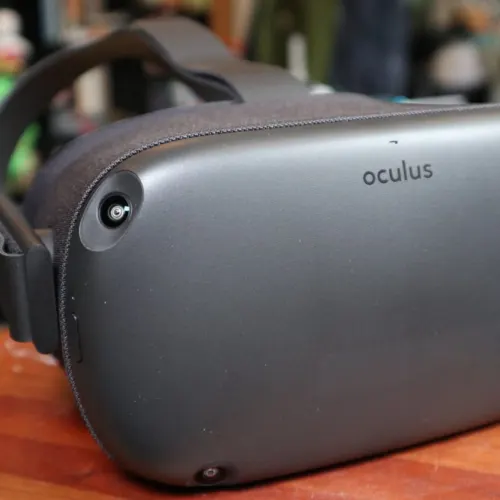
Tinkerers have released QuestStack, a new root-access exploit and bootloader for the original Meta Quest headset, which Meta stopped officially supporting in 2023 in favour of the Quest 2 and 3. The tool chains together previously known vulnerabilities in the device's Android fastboot process to grant full root access, freeing the ageing hardware from any dependence on Meta's servers or apps and giving enthusiasts complete control over it, even after official support eventually ends entirely.
The exploit can now be run through a web interface with no downloads required, simply by connecting the headset to a PC, and it allows owners to sideload apps without registering a Meta Developer account. Early experimentation is already under way to unlock previously hidden features, such as the 90Hz refresh rate that John Carmack said in 2019 had been capped at 72Hz for performance reasons, and to support other VR controllers. The project's author has suggested a similar approach might work on older-firmware Quest 2 units, but currently deems the risk of bricking too high to pursue.
- New QuestStack exploit grants full root access to original Meta Quest
- Frees the headset from reliance on Meta's servers and apps
- Could unlock hidden features like the 90Hz refresh rate
New here? Start with this
Meta Quest, released in 2019, was the original standalone virtual reality headset from Meta (then Facebook), running on Android but requiring a Meta account and locking users into Meta's own app store and software. Meta withdrew official support for the device in 2023, meaning it no longer receives updates, in favour of its newer Quest 2 and Quest 3 headsets.
QuestStack is a piece of software created by independent developers that exploits weaknesses in the way the headset starts up to gain full control over its operating system, known as root access. This lets owners bypass Meta's restrictions entirely, running their own apps and features without needing a Meta account or approval, and without relying on Meta's servers to keep the device working.
This matters because it shows how hobbyist communities can keep older tech gadgets useful and adaptable long after the manufacturer has moved on, raising questions about who ultimately controls hardware once it has been sold, and hinting that similar techniques could eventually be applied to other Meta VR devices.
Both sides, in good faith
The strongest fair case each way — we don't pick a winner.
The case for
Device owners have a legitimate interest in maintaining and modifying hardware they purchase, particularly when manufacturers abandon support and artificially cap features through software restrictions. Enabling root access extends device lifespan, reduces electronic waste, and frees users from unnecessary corporate dependency, whilst allowing enthusiasts to unlock functionality that manufacturers disabled for outdated performance reasons. Such modifications embody right-to-repair principles and reflect reasonable consumer autonomy over owned property.
The case against
Meta's platform control ensures security, stability, and warranty protection for non-technical users who cannot safely modify devices themselves. Root access eliminates manufacturer liability protections and creates genuine risks of hardware bricking or malware exposure. The company invested in developing the VR ecosystem and has legitimate rights to maintain it according to their standards, and unrestricted modification fragments the user experience while creating support burdens for unsanctioned configurations.