Cornell police drafted phone data requests after reported fraternity assault
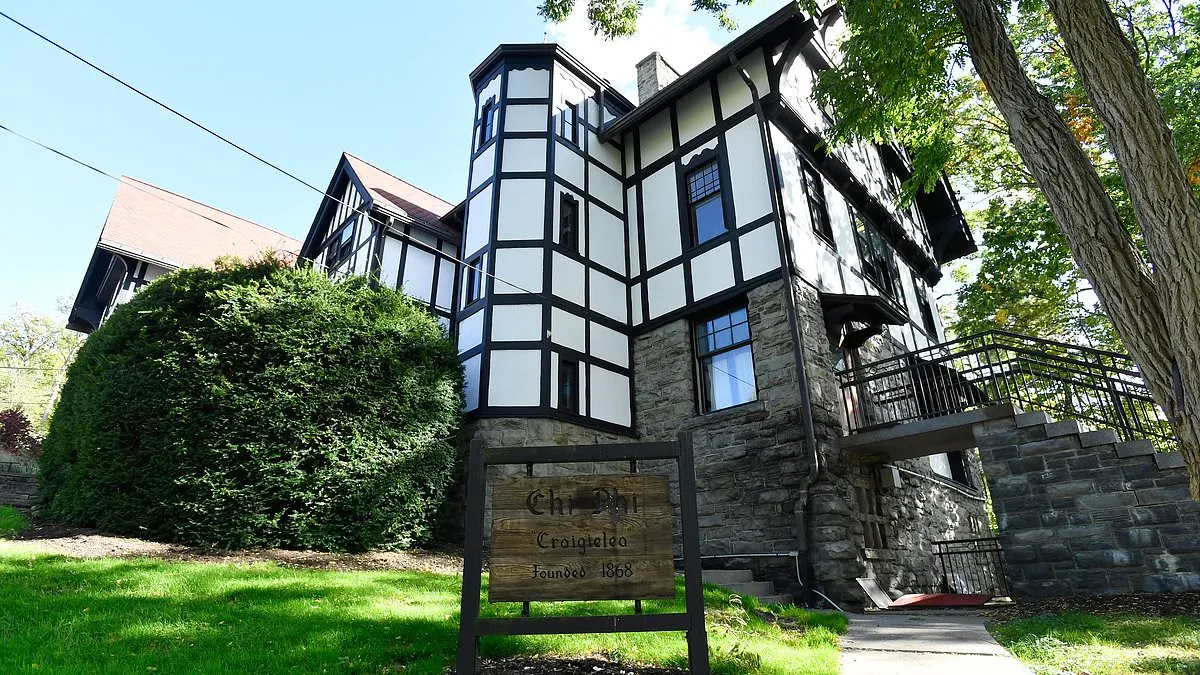
Cornell University Police drafted requests for phone records about a week after a student reported an alleged sexual assault at the Chi Phi fraternity house in 2024. It is not known whether the letters were sent or whether the records were shared with prosecutors, raising questions about how evidence was handled as the case is reopened.
The letters, dated 15 November, asked Verizon and T-Mobile to preserve account data including messages, calls, photographs and videos, and said a signed warrant would follow within 30 days. The district attorney initially declined to bring charges and has since reopened the investigation. The student’s lawyer says she recorded calls with men she accuses; one recording includes conflicting accounts of the night, and the allegations are also the subject of a lawsuit against the men, the university and others.
- Campus police drafted requests to preserve phone records.
- It is unclear whether the requests were sent or shared with prosecutors.
- The district attorney has reopened the case.
New here? Start with this
A student at Cornell University reported an alleged sexual assault at the Chi Phi fraternity house in 2024. About a week after the report, university police drafted requests to phone companies Verizon and T-Mobile seeking account data including messages, calls and photographs, and stated that a signed warrant would follow within 30 days.
It remains unclear whether these requests were actually sent or whether any phone records were shared with prosecutors, raising questions about how evidence was collected and handled in the investigation.
The student's lawyer has said she has recordings of conversations with the men she accuses, which include conflicting accounts of what happened that night. A civil lawsuit has also been filed against the men, the university and others.
Both sides, in good faith
The strongest fair case each way — we don't pick a winner.
The case for
Law enforcement would contend that drafting preservation requests shortly after a serious allegation represents prudent investigative procedure designed to protect potential evidence from loss or destruction. They would argue that requesting data carriers maintain account information whilst formal warrants are being prepared is a standard, proportionate precaution in sexual assault cases, where communications evidence often proves crucial to prosecution.
The case against
Observers concerned with investigative transparency would argue that the significant gaps in this case—uncertainty about whether requests were actually sent, whether carriers complied, and whether promised warrants materialised—suggest serious procedural shortcomings. They would contend that these ambiguities, combined with the DA's initial declination followed by case reopening, indicate the original investigation may have been insufficiently thorough or properly documented, warranting scrutiny of how evidence was actually handled.
Americas Paranormal Weird & Viral World
Read the full article at the source →
Originally published by Daily Mail as “New Cornell 7 mystery as it’s revealed campus cops drafted request for phone records a week after alleged gang rape, with questions mounting over whether they passed them on to prosecutors”.