Politics news and discussion on TalkFuse.
New Democratic Senate Spells Doom for Trump’s Judicial Nominees
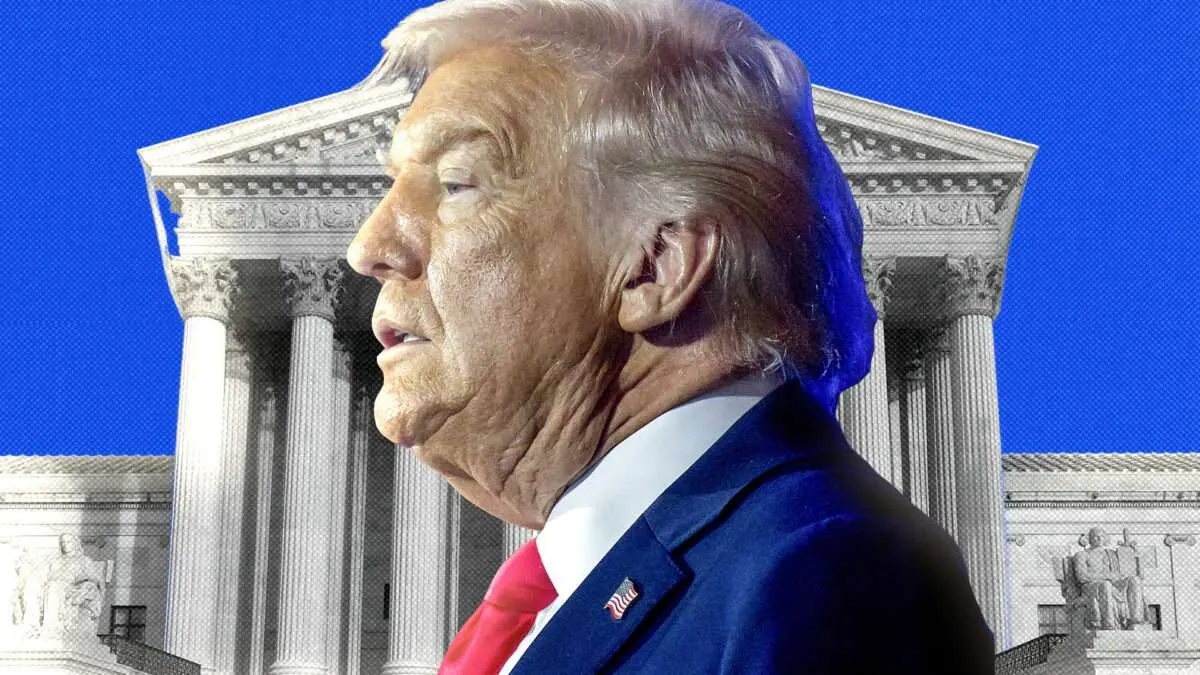
Republicans’ losses in the midterm elections are expected to give Democrats control of the Senate, putting them in a position to block President Donald Trump’s judicial nominees once the new Senate takes office. The shift could leave federal court vacancies unfilled and make the timing of retirements by older conservative Supreme Court justices more consequential.
The article notes that Samuel Alito is 76 and Clarence Thomas is 78, and says a Republican president and Senate may not both be in place again until 2032. It predicts Democrats would not approve a Trump Supreme Court nominee during the remainder of his term, and says any vacancy could remain open until after the 2028 election. Separately, the Court is expected to rule by late June 2027 on whether a state may exclude a Catholic preschool from a universal programme because it will not accept LGBTQ families.
In short
- Democratic Senate control could stall Trump’s judicial appointments.
- Alito and Thomas face uncertainty over when to retire.
- A preschool religious-freedom case is due by June 2027.
Steelman: both sides, in good faith
The strongest fair case each way — we don't pick a winner.
The case for
With control of the Senate, Democrats could argue they have both the constitutional authority and a democratic mandate to scrutinise or block nominees whose judicial views they consider consequential, especially for long-lasting Supreme Court appointments. Holding vacancies open could preserve the existing Court’s balance until voters choose a president and Senate able to make appointments, while allowing time to assess the Court’s forthcoming ruling on religious participation and LGBTQ equality.
The case against
Republicans could argue that blocking qualified nominees solely to deny a president appointments turns Senate advice and consent into partisan obstruction, leaving courts understaffed and delaying justice. They could also contend that voters elected Trump to govern for his full term, and that the Senate should consider nominees on their merits rather than use vacancies to shape the Court’s composition around future elections.