World news and discussion on TalkFuse.
New England woman angry at prospect of family’s ‘sacred’ Cape Cod beach shack being taken off them decades after eminent domain was used to seize ownership of it
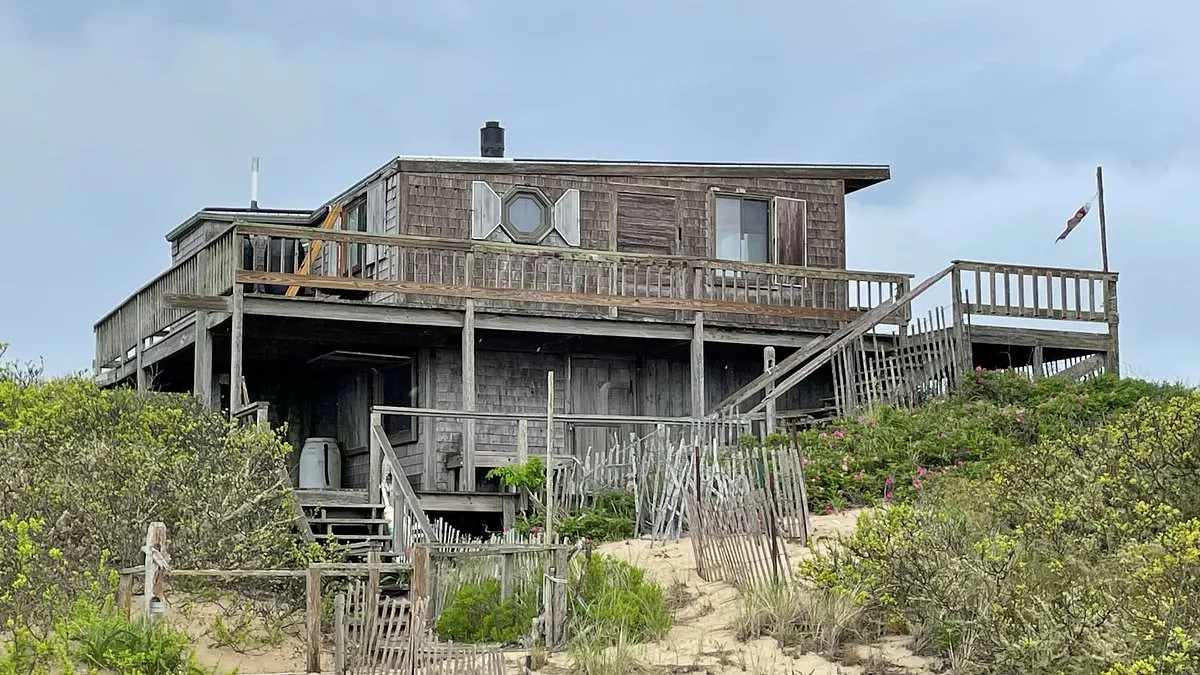
The National Park Service has opened a public leasing process for the Armstrong Dune Shack on Cape Cod, which Janet Armstrong’s family has cared for across generations. Armstrong says she was surprised by the announcement and is upset at the prospect of losing a home she calls sacred; the process has also unsettled advocates of long-standing family stewardship.
Her parents found the shack abandoned in 1948 and bought it after tracking down its owner. When Cape Cod National Seashore was established in 1961, the government later used eminent domain to acquire the property in 1981, granting the family a lifetime estate; Armstrong subsequently held a special-use permit. The new lease requires the successful applicant to maintain and repair the building, including its waste system, despite no commercial electricity, water or sewer access.
In short
- National Park Service seeks proposals to lease the Armstrong Dune Shack.
- Janet Armstrong’s family has cared for the shack for decades.
- The lease requires substantial maintenance at a site without utilities.
Steelman: both sides, in good faith
The strongest fair case each way — we don't pick a winner.
The case for
The National Park Service can argue that a public leasing process is a fair way to decide who will care for a historic building on federally managed land, especially when the lease requires substantial maintenance and repair. A transparent process may also help ensure the shack is preserved for public purposes rather than treated as a private family holding.
The case against
The family and stewardship advocates can argue that decades of care, the family’s connection to the shack and the government’s earlier grant of a lifetime estate create a strong case for continuity. Reopening access through a lease process may feel unjust after the family lost ownership through eminent domain, particularly given the difficult upkeep required in a remote site without basic utilities.
Explained simply
Cape Cod National Seashore is a protected stretch of coastline in Massachusetts, managed by the US National Park Service. Some simple shacks on its dunes have long been cared for by families, and debates over their future centre on how that history fits with public management of protected land.
Janet Armstrong’s parents found the dune shack abandoned in 1948, then bought it from its owner. After the Seashore was established in 1961, the government acquired the property in 1981 through eminent domain, a legal power to take private land for public use, while granting the family a lifetime estate; Armstrong later held a special-use permit.
The Park Service now manages access to the building through a lease process, with the successful applicant responsible for upkeep and repairs. The shack has no commercial electricity, mains water or sewer connection, so maintaining it involves practical challenges as well as questions about family stewardship and public responsibility.