New evidence debunks Talarico psych hospital rumor after ‘mind-numbing malpractice’ fuels firestorm
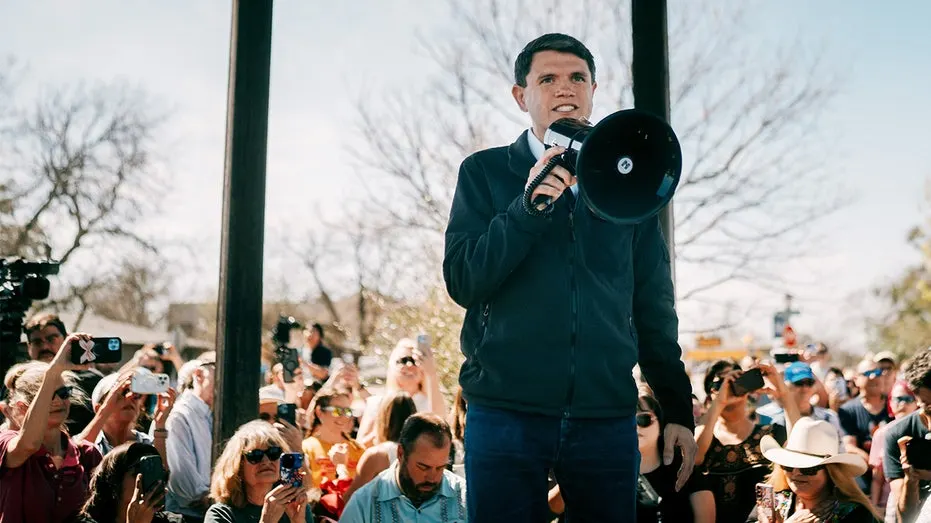
Time-stamped security camera images reviewed by The New York Times support Texas Senate nominee James Talarico’s account that he was at home recovering from flu during a nine-day campaign absence. The evidence contradicts a viral claim that he had travelled to an Ohio behavioural health centre, while prompting criticism that his campaign did not release verifiable proof sooner.
Talarico appeared virtually at an event on 30 September and said he was ill; he was absent from in-person campaigning from 1 to 8 October. Speculation grew after his campaign reposted an older February rally video on 3 October without initially identifying it as old. The campaign said it routinely reposts past content and declined to add to its earlier response; critics argued Talarico could have communicated more directly with voters.
- Images support Talarico’s account that he was home with flu.
- The footage contradicts a rumour about an Ohio treatment centre.
- Critics questioned why evidence was not shared sooner.
New here? Start with this
James Talarico is a Texas state politician and a Democratic nominee for the US Senate, which represents each state in the federal government. Campaigns rely on public appearances and communication with voters, so an unexplained absence can attract attention.
Behavioural health centres provide care for mental health and substance use conditions. In this case, an online claim linked Talarico’s absence to a centre in Ohio, while his campaign said he was ill; questions also arose after it reposted an older rally video without initially labelling it as old.
The dispute matters because voters need reliable information to assess candidates, and misleading claims can spread quickly online. It also highlights how a campaign’s handling of questions can affect public trust, even when evidence later supports its account.
Both sides, in good faith
The strongest fair case each way — we don't pick a winner.
The case for
Talarico’s account is supported by time-stamped images reviewed by The New York Times, and there is no reported evidence that he travelled to the Ohio centre. A campaign may reasonably prioritise a candidate’s privacy while he recovers from illness, and routinely reposting older material need not imply an effort to mislead if it is clearly identified.
The case against
Even if the rumour was false, a nine-day absence and an old rally video reposted without initially identifying it as old gave voters grounds to seek a clear explanation. Critics can reasonably argue that timely, verifiable communication would have reduced speculation and protected public trust, without endorsing the unsupported claim about the Ohio centre.