Business news and discussion on TalkFuse.
New Jersey Dem gov’s blame game backfires after tech company pins noncitizen voter registration on state
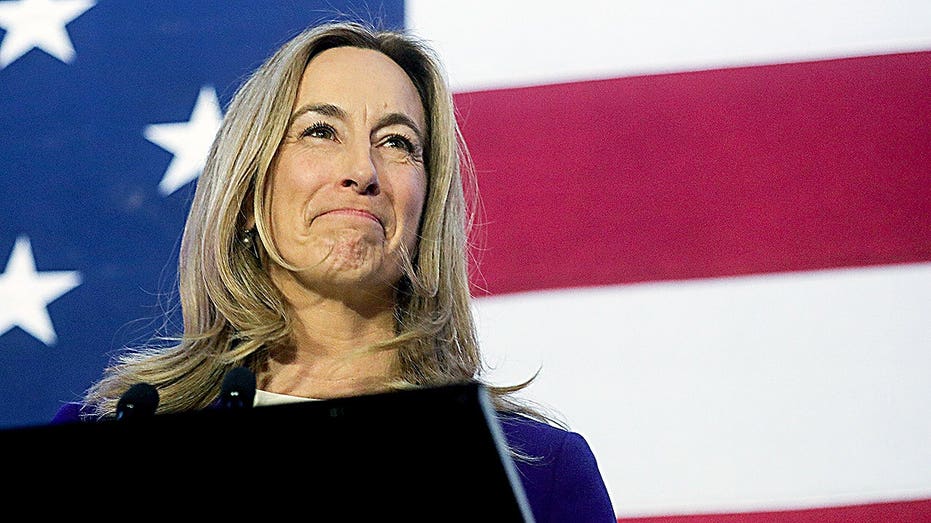
New Jersey's Democratic Governor Mikie Sherrill has faced backlash after blaming a "software error" for the improper registration of thousands of non-citizens to vote, only for the technology vendor involved, IDEMIA, to publicly dispute that account and place responsibility back on the state. The dispute matters because it has triggered a federal investigation into voter registration practices in New Jersey and reignited a wider political row over voter verification and non-citizen voting ahead of upcoming elections.
According to the article, around 6,600 non-citizens were improperly registered to vote, with roughly 400 of them going on to cast ballots in previous elections. Assistant Attorney General Harmeet Dhillon condemned the episode as an "unlawful dilution of American votes" and confirmed that the Justice Department's Civil Rights Division has opened a probe into the matter.
In short
- NJ Gov Sherrill blamed a vendor for a voter registration error.
- Vendor IDEMIA denies fault, blames the state instead.
- DOJ opens Civil Rights Division probe after 400 non-citizens voted.
Steelman: both sides, in good faith
The strongest fair case each way — we don't pick a winner.
The case for
Non-citizen voter registrations represent a genuine breach of democratic principle, whatever their cause. The fact that at least 400 improper voters cast ballots shows this was not merely an abstract problem but one with real consequences for election outcomes. Whether due to vendor error or state administration failure, the responsibility lies ultimately with the state, which must ensure eligibility verification systems function reliably. Strengthening these systems through better technology, auditing, and vendor oversight is essential to maintain the integrity that democratic legitimacy requires.
The case against
Proper context matters when assessing this problem. Six thousand improper registrations, whilst undesirable, represent a small fraction of millions of registrations and suggest the system generally safeguards against non-citizen voting. The appropriate remedy is targeted improvement—clarifying vendor responsibilities, enhancing implementation, and better staff training—rather than restrictive measures that could burden eligible voters. Both election security and accessibility serve democratic values; solutions should address the specific administrative failure without imposing broad barriers that might prevent more legitimate votes than they prevent improper ones.
Explained simply
New Jersey handles voter registration through state systems and processes, with technology companies providing some of the software. The row centres on how non-citizens came to be registered and who was responsible for the checks that should have prevented it.
The state’s governor, Mikie Sherrill, and technology vendor IDEMIA have given conflicting accounts of the cause. The reported registrations have also drawn federal scrutiny, with the Justice Department investigating New Jersey’s practices.
The issue matters because voter registration rules affect who can take part in elections and how records are checked. The dispute has renewed political debate over safeguards against non-citizen registration and voting.
Business Companies Elections Politics Software Technology World