Technology news and discussion on TalkFuse.
New Jersey’s New Ebike Law Is Causing Chaos
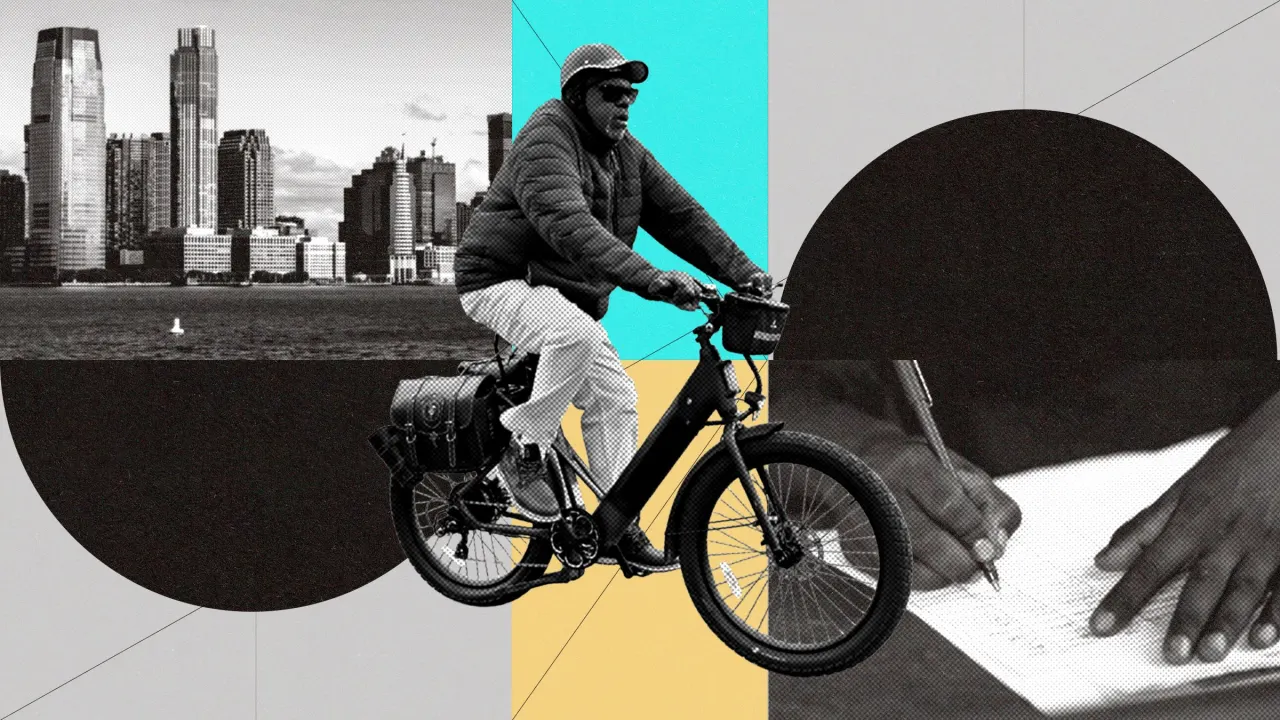
New Jersey’s new e-bike law, introduced to improve road safety after a rise in e-bike use and fatal crashes, has created major difficulties for riders and bike shops. The licensing and registration requirements have left many people unsure how to comply, while some residents say they have stopped riding or avoided the state.
The law sets a minimum riding age of 15 and requires a driver’s licence or motorised bicycle licence, as well as registration; bikes capable of exceeding 20 mph also need insurance. Since enforcement began in July, the state has registered 16,825 bikes and issued 221 e-bike licences, compared with advocates’ estimate of 300,000 e-bikes and e-motos in New Jersey. One shop owner reports e-bike sales down 90 per cent year on year, and the New Jersey E-Bike Coalition says 37 bike shops have closed.
In short
- New Jersey’s e-bike rules have caused confusion for riders.
- The state has registered 16,825 e-bikes and issued 221 licences.
- Advocates say 37 bike shops have closed.
Steelman: both sides, in good faith
The strongest fair case each way — we don't pick a winner.
The case for
Supporters argue that licensing, registration and insurance can help make riders accountable and give authorities clearer ways to enforce safety rules, especially as e-bike use and fatal crashes have risen. Minimum age and speed-based requirements may also reduce risks to riders and others sharing the roads.
The case against
Critics argue that the rules are confusing and burdensome, with low registration and licensing figures suggesting many riders may struggle to comply. They say the requirements risk excluding people who rely on e-bikes or cannot readily obtain a licence, while reported sales declines and shop closures point to harm to local businesses and cycling access.
Explained simply
E-bikes use an electric motor to help riders pedal, while some models can travel under motor power alone. They have become more common in New Jersey, where officials introduced new rules after rising use and fatal crashes.
The rules set a minimum age of 15 and require riders to have a driving licence or a motorised bicycle licence, and to register their bike. Bikes that can go faster than 20 miles per hour also need insurance, leaving riders and shops to work out which requirements apply to different models.
The law affects riders, bike shops and state officials responsible for road safety and enforcement. Its impact matters both for efforts to reduce crashes and for people who rely on e-bikes for transport or work.