Culture news and discussion on TalkFuse.
New midterm battleground takes shape as parties build election armies
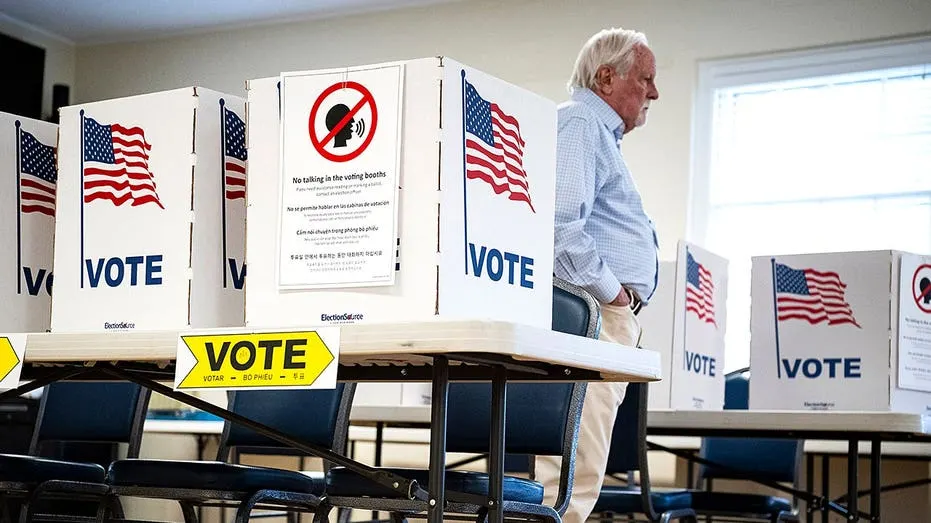
Republicans and Democrats are increasingly focused on the infrastructure of elections themselves, not just candidates and policy, as both parties race to build up poll-watching and organisational capacity ahead of the 2026 midterms. The Republican National Committee says it has already surpassed its 2024 poll-worker recruitment numbers, reflecting President Donald Trump's long-standing emphasis on who oversees vote counting as being nearly as consequential as who appears on the ballot.
RNC Chair Joe Gruters said the party has deployed staff across 25 states as part of the push, framing it as a record-breaking effort compared with the previous presidential election cycle. The article situates this development within a broader midterm landscape in which both parties are also contesting ideological battles, including a rise of socialist-aligned Democratic candidates in states such as Wisconsin and Minnesota, as election mechanics become an increasingly organised and contested front of political competition.
In short
- RNC says it has broken its 2024 poll-worker recruitment record
- Staff deployed across 25 states ahead of 2026 midterms
- Reflects growing focus on election mechanics as a political battleground
Steelman: both sides, in good faith
The strongest fair case each way — we don't pick a winner.
The case for
Organised election observation by both parties represents a legitimate democratic practice that enhances transparency in vote counting and administration. Trained poll workers and observers provide direct accountability and help ensure procedures are followed consistently, building public confidence that results reflect genuine voter intent and that all safeguards against error or irregularity are functioning properly.
The case against
Scaling up partisan poll-monitoring infrastructure risks creating friction and potential intimidation at voting locations, whilst the prioritisation of vote-counting oversight as nearly consequential as policy platforms suggests an inappropriate focus on contesting election mechanics rather than competing on ideas. Such emphasis may reflect or entrench unfounded concerns about election integrity, ultimately eroding democratic trust rather than genuinely protecting it.
Explained simply
Midterm elections take place halfway through a US president’s four-year term, when voters choose members of Congress and, in many states, local officials. The election process depends on state and local authorities, who recruit and train people to help run polling places and count votes.
The Republican and Democratic parties organise campaigns, recruit volunteers and monitor polling places to observe how elections are administered. The Republican National Committee, the party’s national organisation, is led by Joe Gruters; Donald Trump has often stressed the importance of who oversees voting.
How elections are run can affect whether voters trust the results, while parties’ organising efforts can shape how effectively they compete. The 2026 midterms are also expected to feature debates over candidates and political ideas, including socialist-aligned Democrats in some states.
Art Culture Elections Government Politics World