World news and discussion on TalkFuse.
13Members
11Posts
1Active now
62,935Stories
New York can expect fewer ticks this year thanks to ‘Acorn Effect’
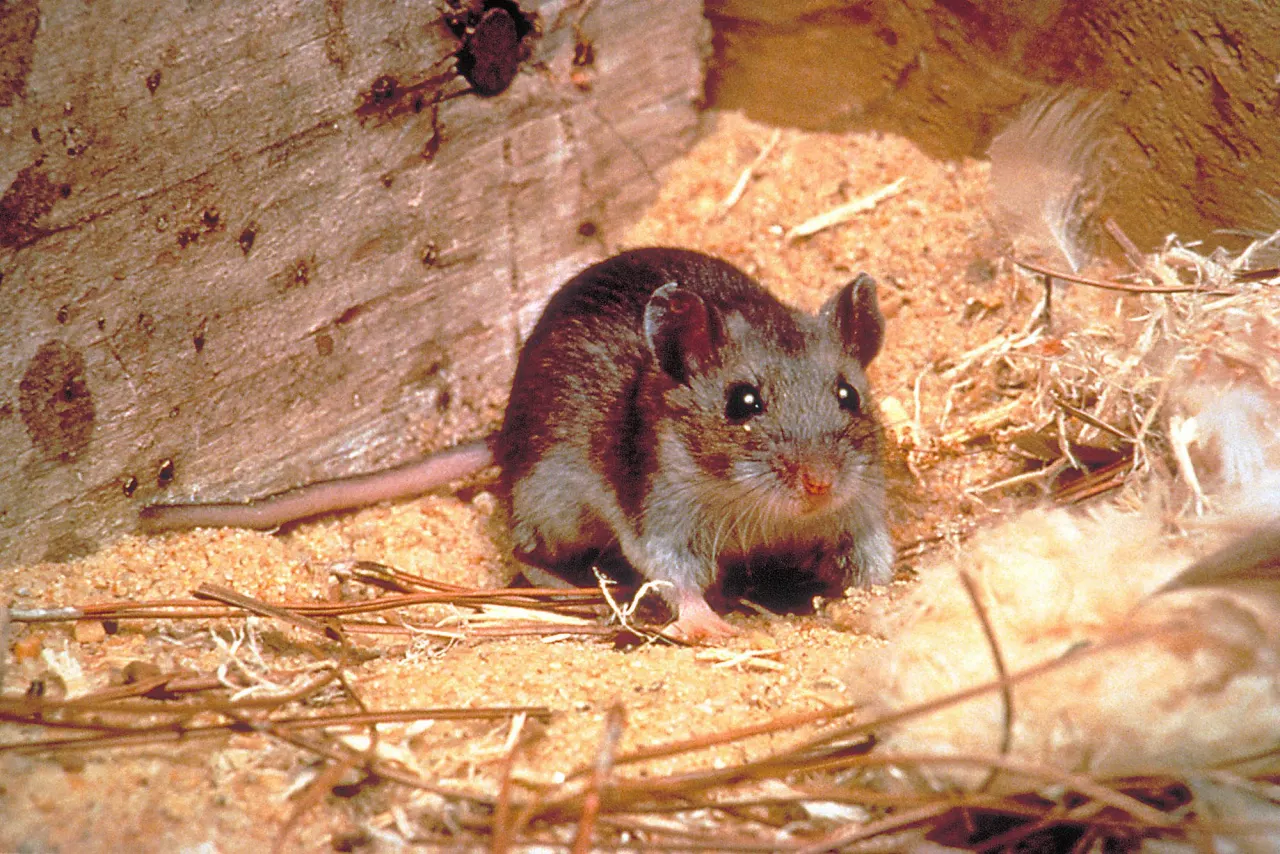
A 35-year study in New York has found that acorn crops can help predict later numbers of ticks that carry Lyme disease. A large acorn crop feeds more mice, whose increased numbers provide more hosts for ticks; this pattern could mean fewer infected ticks and Lyme disease diagnoses in summer 2027.
The Hudson Valley had a smaller-than-usual acorn crop in autumn 2025, followed by modest mouse numbers this year. Researchers say tick numbers rose by as much as 40% in years with large mouse populations, while the acorn-to-tick cycle takes about 18 months. The study found no correlation between acorns, ticks and deer, and the Fordham Tick Index currently puts the risk of encountering ticks at 3 out of 10.
In short
- Fewer acorns in 2025 led to modest mouse numbers this year.
- Researchers expect fewer infected ticks in summer 2027.
- Deer numbers did not predict tick levels in the study.