Business news and discussion on TalkFuse.
New York City immigrant business owners are planning to sue Mamdani over taxpayer-funded supermarkets
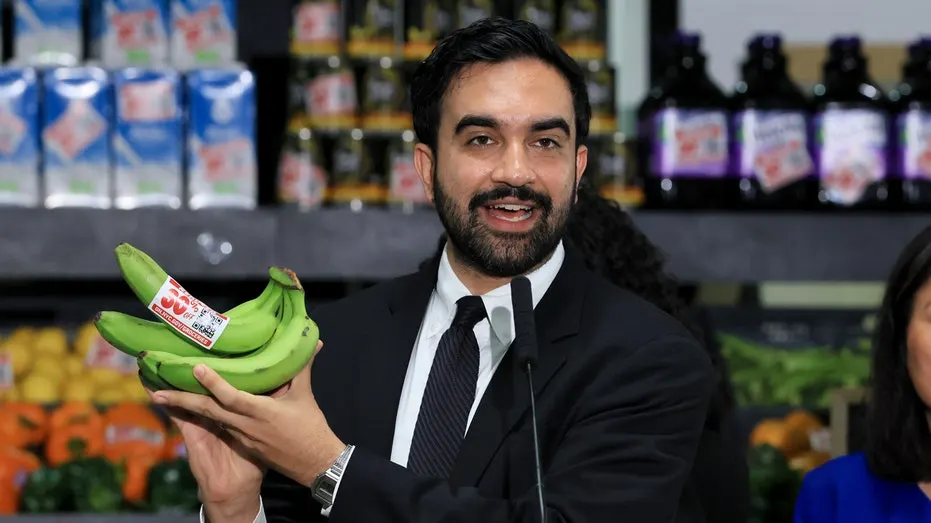
Immigrant owners of New York City food businesses are reportedly preparing to sue Mayor Zohran Mamdani over his proposed taxpayer-funded supermarkets. They argue that publicly financed stores offering lower prices would place independent grocers and bodegas at an unfair disadvantage, potentially threatening small businesses that serve local neighbourhoods.
Mamdani’s plan allocates $70 million for five city-owned grocery stores, with discounts of up to 30% on staple goods and the first opening expected in 2027. He says the scheme responds to sharply rising food prices, while opponents question its cost and whether the city should compete directly with existing retailers.
In short
- Business owners threaten legal action over city-run supermarkets.
- Critics say subsidised prices could harm independent grocers.
- The plan funds five stores with $70 million.
Steelman: both sides, in good faith
The strongest fair case each way — we don't pick a winner.
The case for
City-run supermarkets could give residents more affordable access to staple foods, particularly in neighbourhoods where prices are high or choices are limited. Public investment may also let the city target discounts towards basic goods and test whether a public option can put pressure on prices more broadly.
The case against
Independent grocers and bodegas, many of them immigrant-owned, may reasonably argue that taxpayer-funded stores with subsidised prices cannot compete on equal terms with small businesses bearing their own costs. If the city draws customers away from existing shops, it could weaken neighbourhood employers and services, while committing public money to retail whose costs and benefits remain uncertain.
Explained simply
Mayor Zohran Mamdani of New York City has proposed a plan to open five city-owned supermarkets using taxpayer money. Immigrant-owned food businesses, including independent grocers and bodegas, are reportedly preparing to take legal action against the scheme.
The mayor's proposal allocates $70 million for these grocery stores, which would offer discounts of up to 30% on staple goods, with the first expected to open in 2027. These would be publicly financed shops selling food directly to customers at reduced prices.
Small business owners argue that publicly run stores offering significantly cheaper prices would put their own businesses at an unfair disadvantage, threatening the independent grocers and corner shops that have long served local neighbourhoods. Mamdani maintains the scheme is needed to address rising food costs for New York residents, though critics question whether the city should directly compete with existing retailers and whether this represents sensible use of public funds.
Business Elections Markets Politics World