New York husband and wife among scores of Americans missing after monster Nepal tsunami that has killed hundreds, as stricken relative reveals why they SHOULDN’T have been in area
Developed over time first seen 2 months ago
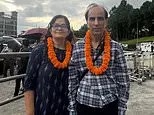
Catastrophic flooding in Nepal’s Rasuwa border region, near Tibet, killed at least 332 people and left more than 1,300 missing, including at least 90 Americans. The disaster damaged communities, transport links and communications across the Himalayas, complicating rescue efforts and leaving families unable to confirm the whereabouts of relatives.
Among the missing are retired New York couple Ramesh Sharma, 65, and Neelam Sharma, 64, who were travelling on a religious pilgrimage towards Mount Kailash and were delayed near the Tibetan border before the flooding. Relatives also named Lata Samala of Virginia and Texas couple Deepak and Madhu Ahuja as missing; other unaccounted foreign nationals reportedly include at least 24 Canadians, 33 Britons and 35 Australians. Authorities linked the flooding to a glacial collapse that sent water, ice and debris through the Trishuli River, while warning that a landslide dam could pose a further flood risk.
- Nepal floods killed at least 332 and left thousands missing.
- At least 90 Americans remain unaccounted for.
- Damaged communications are hindering rescue and identification efforts.
New here? Start with this
Nepal is a mountainous country between India and China, where rivers fed by glaciers can rise quickly after heavy rain, ice falls or landslides. Rasuwa is a remote northern district near the Tibetan border, with narrow valleys, limited road links and areas used by travellers heading towards sacred sites.
Mount Kailash is a mountain in Tibet regarded as holy by Hindus, Buddhists, Jains and followers of the Bon religion. Many visitors from abroad travel through Nepal as part of a pilgrimage, often using routes that can be affected by weather, border arrangements and road closures.
The disaster has involved both local communities and foreign visitors, making it harder for authorities and families abroad to establish who is safe. Damage to roads, bridges, phone networks and river crossings can delay rescue efforts and prevent people from contacting relatives.