World news and discussion on TalkFuse.
New Yorkers collected $2.6 billion in welfare cash payments last year, city data shows
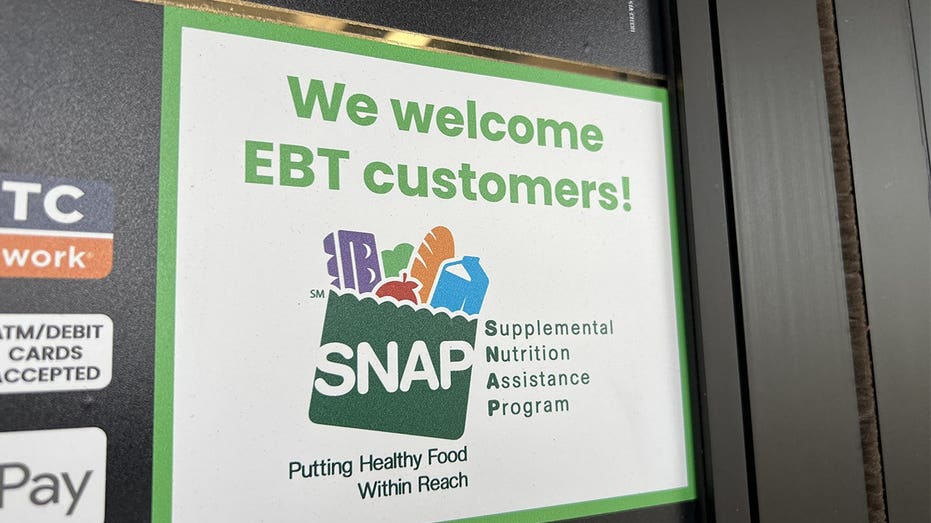
New York City distributed more than $2.6 billion in cash assistance to residents in 2025, according to a Fox News Digital review of city records, marking the highest level of welfare payments in roughly 30 years. The scale of the payouts, which have not been matched since before former Mayor Rudy Giuliani's welfare reforms in the early 2000s, is likely to fuel debate over the city's social spending as it grapples with budget pressures and criticism of its handling of public assistance and homelessness.
The $2.6 billion in cash assistance reached a record 864,999 people in 2025. This represents a 71% increase from the $1.57 billion paid out in 2022, highlighting a sharp rise in both the number of recipients and the total cost to the city over a short period.
In short
- NYC paid out $2.6 billion in cash welfare in 2025
- Recorded a 30-year high with 864,999 recipients
- Figure up 71% from $1.57 billion in 2022
Steelman: both sides, in good faith
The strongest fair case each way — we don't pick a winner.
The case for
New York's welfare expansion reflects the harsh economic reality facing the city's poorest residents, many of whom work but cannot afford basic needs in an increasingly expensive metropolis. Adequate cash assistance prevents the costlier human consequences of homelessness, malnutrition, and preventable illness, whilst providing essential stability for vulnerable families. The rise in recipients suggests genuine need rather than programme failure, and robust social support addresses growing inequality that undermines social cohesion and public health across the city.
The case against
The city's welfare expenditure has grown dramatically whilst evidence of improved outcomes remains unclear, raising questions about whether cash transfers represent the most effective use of stretched municipal resources. Critics contend that sustainable solutions require addressing root causes through job creation, workforce development, and affordable housing rather than expanding temporary assistance that may foster dependency. With the city facing significant budget pressures, this spending trajectory is unsustainable and diverts resources from other public services, schools, and infrastructure that might generate long-term economic mobility.
Explained simply
New York City's cash assistance programme provides direct payments to low-income residents. The money is intended to help people cover their basic living costs when they lack sufficient income of their own.
The volume of these payments had fallen dramatically since the early 2000s, when then-Mayor Rudy Giuliani implemented welfare reforms that significantly reduced the number of recipients and amounts distributed. For roughly two decades, the city's cash assistance spending remained well below its earlier levels.
The recent increase marks a significant shift in the city's welfare spending and has become a focal point in broader debates about how New York allocates its budget. This is particularly significant as the city faces financial constraints and ongoing challenges with homelessness and poverty.