Newborn deaths are surging in the world’s most vulnerable communities as aid cuts hit
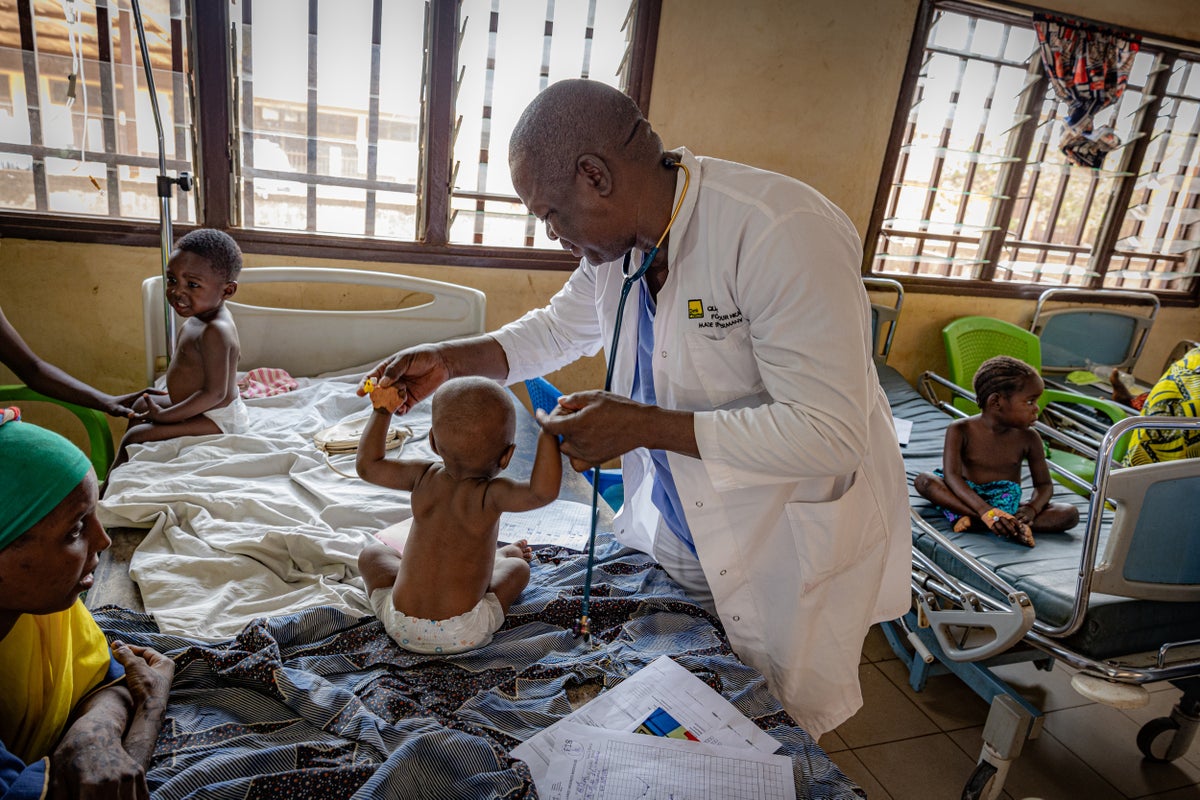
Infant survival rates have deteriorated sharply among vulnerable populations across Africa, with deaths in the first month after birth nearly doubling and early childhood mortality roughly tripling in a single year. Mortality data covering three million refugee mothers documents this collapse alongside simultaneous reductions in international development funding from wealthy nations.
The crisis stems from healthcare infrastructure breakdown—hundreds of clinics have shuttered, thousands of health workers including midwives face unemployment, and countries that historically rely on external medical support cannot maintain basic services without it. Decades of measurable progress in preventing maternal and child mortality now faces reversal as sub-Saharan Africa confronts simultaneous funding withdrawal and service collapse.
- Newborn mortality in refugee populations across sub-Saharan Africa surged 81% between 2025–2026, with infant deaths rising 111%, corresponding to international aid reductions by Western nations
- Over 1,100 health clinics closed and 6,000 healthcare workers lost jobs; 11+ million people lost access to reproductive health services
- Twenty years of declining maternal mortality risk reversal as healthcare systems dependent on external funding deteriorate
New here? Start with this
Newborn deaths are rising sharply among refugee and other vulnerable communities in sub-Saharan Africa, according to mortality data covering around three million refugee mothers. Over the past year, deaths within a baby's first month have nearly doubled, and deaths in early childhood have roughly tripled, reversing decades of progress in reducing maternal and child mortality.
The main cause identified is a breakdown in healthcare infrastructure: hundreds of clinics have closed and thousands of health workers, including midwives, have lost their jobs. Many of these countries have long depended on international development funding to run basic maternal and child health services, and richer nations have recently been cutting that support.
The story matters because it links global aid budget decisions, made far from these communities, directly to survival rates for newborns and young children. It raises questions about who bears responsibility for maintaining healthcare in places that rely on outside funding, and what happens when that funding is withdrawn.
Both sides, in good faith
The strongest fair case each way — we don't pick a winner.
The case for
Advocates of reduced foreign aid budgets argue that wealthy nations face their own fiscal pressures and competing domestic priorities, and that taxpayers cannot indefinitely underwrite health systems in other countries. They contend that decades of external funding, while well-intentioned, have sometimes fostered dependency rather than durable local capacity, and that a period of adjustment, however painful, may push recipient governments to build more self-sustaining health financing and domestic accountability. Some also argue aid spending should be reallocated toward the most cost-effective interventions rather than broad institutional support, even if this produces short-term disruption.
The case against
Advocates for maintaining or restoring aid funding argue that abrupt cuts to proven, low-cost interventions such as midwifery and neonatal care produce swift and measurable loss of life, making the human cost of withdrawal immediate rather than hypothetical. They emphasise that wealthy nations bear some moral responsibility given the scale of resources involved, and that health infrastructure built over decades cannot be replaced overnight by local systems still developing the financing and workforce capacity to cope. They argue that phased, coordinated transitions rather than sudden funding withdrawal would better protect vulnerable mothers and infants while still allowing donor nations to reassess priorities.