Entertainment news and discussion on TalkFuse.
Newly Discovered Plant-Eating Insects Named After Taylor Swift
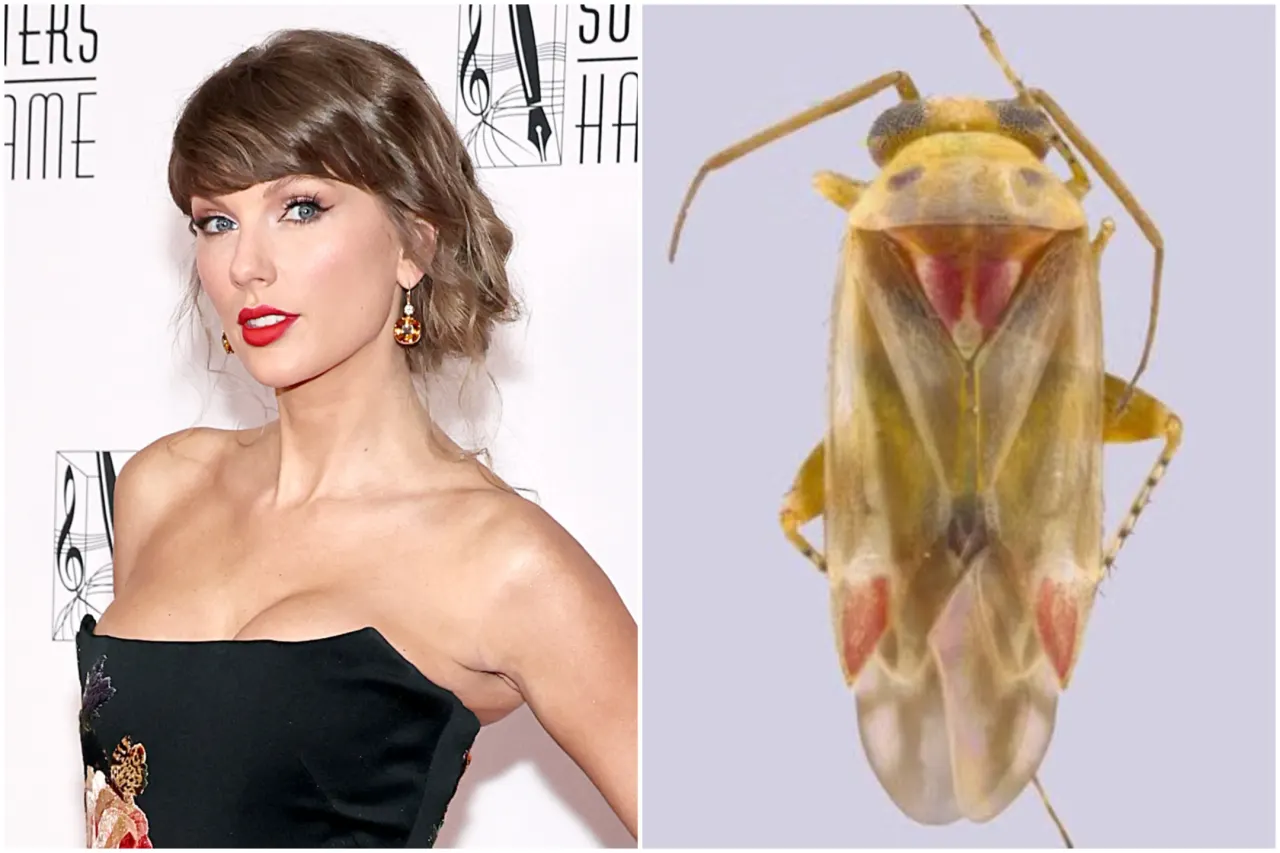
Researchers at the University of California, Riverside have named 12 newly discovered species of plant-feeding insects from Australia after Taylor Swift, in a paper published in the journal Insect Systematics and Evolution. The new genus, Swiftiephylus, combines "Swiftie" with "phylus," a common suffix for this insect group, while four species carry Latin-derived names referencing Swift and her albums. The naming was led by entomology doctoral student Sarah Schroeder, who hoped the association would raise the profile of both the insects and the wider cause of insect conservation.
The insects live exclusively on Australian she-oaks and are pale yellow with red markings, which Schroeder likened to Swift's blonde hair and red lips, suggesting the colouring may help them camouflage among the plants' reddish flowers. They belong to Miridae, the largest family of true bugs, and pose no threat to humans or animals. The specimens were originally collected between 1995 and 2004 during a joint biodiversity survey by the American Museum of Natural History and Australian researchers, part of a haul of more than 50,000 specimens that has taken decades to formally catalogue.
In short
- UC Riverside named 12 new Australian insect species after Taylor Swift
- New genus "Swiftiephylus" and species named for her and her albums
- Insects' yellow-and-red colouring inspired by Swift's look, aids camouflage
Explained simply
The insects are plant-feeding true bugs in the family Miridae, the largest family of true bugs. These newly identified species live only on Australian she-oaks, trees and shrubs that produce small, woody cones.
Their specimens were collected between 1995 and 2004 during a biodiversity survey involving the American Museum of Natural History and Australian researchers. They were among more than 50,000 collected specimens, many of which have taken years to identify and describe.
Naming the insects after Taylor Swift was intended to draw attention to them and to insect conservation. The researchers suggest the insects’ pale yellow bodies and red markings may help them blend in among the she-oaks’ reddish flowers; they pose no threat to people or animals.
Celebrity Entertainment Music Research Science