Politics news and discussion on TalkFuse.
Newly elected Dem’s blistering GOP attacks emerge after she courted Republican voters: ‘Lit on fire’
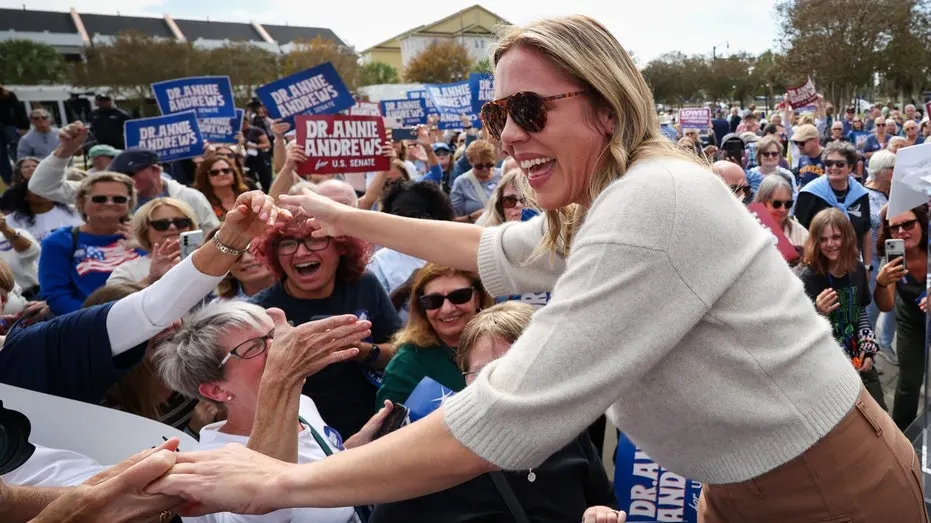
South Carolina senator-elect Annie Andrews had made sharp attacks on Republicans and forceful statements supporting transgender rights on social media before her successful campaign. The resurfaced posts contrast with her campaign’s more moderate tone as she sought support from Republicans and independents in a state Donald Trump won by about 18 percentage points.
In posts cited in the article, Andrews said the Republican Party should be “lit on fire” and criticised Republican senators JD Vance and Katie Britt. She also expressed support for transgender people and other progressive positions, including abortion access and tighter firearm restrictions. During the campaign, she stressed working across party lines, and an advert distanced her from some earlier positions on transgender issues; Republicans had also highlighted her past comments.
In short
- Old posts show Andrews sharply criticising Republicans.
- She sought Republican and independent voters during her campaign.
- Her campaign distanced her from some earlier transgender-rights positions.
Steelman: both sides, in good faith
The strongest fair case each way — we don't pick a winner.
The case for
Supporters could argue that Andrews’s earlier posts show candour about her convictions, while her campaign’s emphasis on cooperation reflects an effort to represent a politically mixed electorate. They may see her support for transgender rights, abortion access and tighter firearm rules as principled positions that need not prevent her from working with Republicans on shared concerns.
The case against
Critics could argue that the contrast between Andrews’s earlier rhetoric and her campaign’s more moderate presentation raises legitimate questions about consistency and what voters can expect from her in office. They may also see language calling for the Republican Party to be “lit on fire” as needlessly antagonistic, particularly from a candidate who asked voters across party lines for support.