World news and discussion on TalkFuse.
Newly released Jeffrey Epstein autopsy photos that show grim images of his neck prove he was strangled, says top forensic investigator
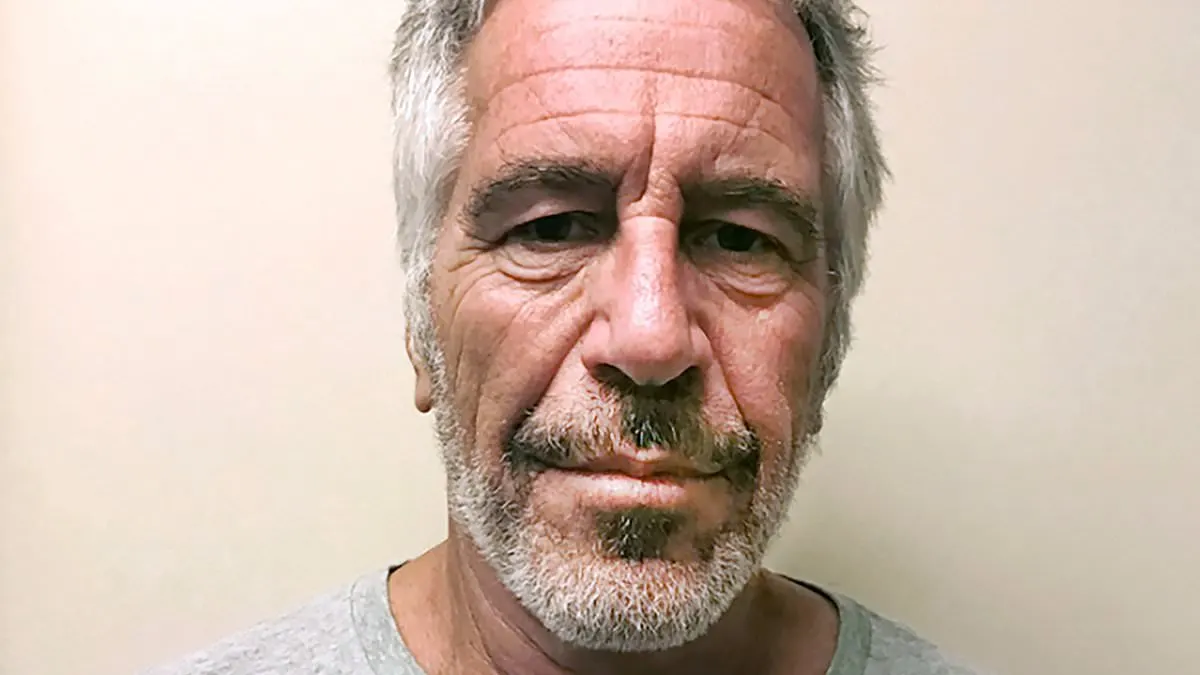
Jeffrey Epstein’s brother, Mark, has posted the full set of autopsy photographs, renewing questions about whether Epstein died by suicide or was killed in his prison cell in 2019. Forensic scientist Dr Michael Freeman says the neck injuries shown in the images could indicate strangulation, challenging the official finding of suicide; his interpretation remains a claim based on photographs.
The images also show more of Epstein’s cell at Manhattan’s Metropolitan Correctional Center, including a knotted loop that Freeman believes may have been used to strangle him. He did not examine Epstein’s body, and New York City’s medical examiner ruled the death a suicide. A 2023 Justice Department inspector general report attributed the opportunity for Epstein to take his own life to negligence, misconduct and failures by prison staff.
In short
- Epstein’s brother has released the full autopsy photo set.
- A forensic scientist says the neck injuries may indicate strangulation.
- The official ruling remains suicide, and the photos alone do not settle the question.
Steelman: both sides, in good faith
The strongest fair case each way — we don't pick a winner.
The case for
The injuries in the photographs and the loop in the cell may, in Dr Freeman’s view, be consistent with strangulation, so they can reasonably prompt renewed scrutiny of how Epstein died. Supporters of further examination may also point to documented failures by prison staff and argue that transparency is important when those failures created the opportunity for his death.
The case against
The photographs alone do not establish how the injuries occurred, and Freeman did not examine Epstein’s body, limiting what his interpretation can show. The medical examiner ruled the death a suicide, while the inspector general attributed the opportunity to negligence and misconduct by prison staff; those findings support caution about treating a competing interpretation as proof of homicide.
Explained simply
Jeffrey Epstein was a wealthy financier who was arrested in 2019 on federal sex-trafficking charges involving underage girls. He died in a cell at New York’s Metropolitan Correctional Center before his case went to trial. His death drew intense public attention because of the seriousness of the charges and questions about security at the jail.
New York City’s medical examiner ruled that Epstein died by suicide. A later Justice Department inspector general report found that prison staff failures and misconduct gave him the opportunity to take his own life. Dr Michael Freeman, who did not examine Epstein’s body, has argued from photographs that the neck injuries could indicate strangulation; that interpretation differs from the official ruling.