Politics news and discussion on TalkFuse.
News Wrap: Officials in Iran welcome midterm results as vote against war
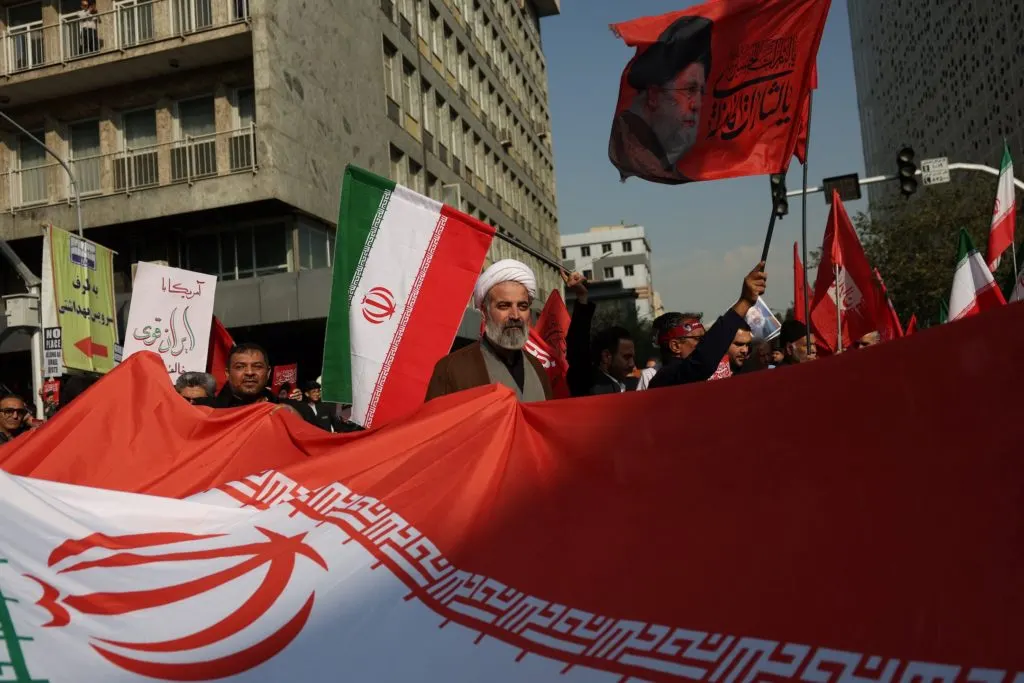
Iranian officials welcomed the US midterm results as a rejection of President Trump’s war, while the country’s supreme leader warned against expecting a change in US policy. The comments came amid recent limited US strikes on Iranian targets and regional fears of renewed conflict.
Elsewhere, Israel’s president accepted the election results and will consult party leaders to find a candidate to form a coalition, after no party won a parliamentary majority. Ukraine said Russia launched more than 300 drones overnight; most were intercepted, but a strike injured at least one person. The article also reports that a Boston judge dismissed charges against Harvard scientist Kseniia Petrova and that NASA’s Swift Observatory re-entered Earth’s atmosphere near Indonesia.
In short
- Iran’s leaders cast US midterm results as a vote against war.
- Israel faces coalition talks after an inconclusive election.
- Ukraine reported more than 300 Russian drones launched overnight.
Steelman: both sides, in good faith
The strongest fair case each way — we don't pick a winner.
The case for
Iranian officials can reasonably read the midterm results as evidence that many US voters oppose a wider war, and argue that this should make restraint a political priority for Washington. Avoiding renewed conflict could prevent further casualties and regional instability, while respecting voters’ concerns about the costs and risks of military action.
The case against
The results do not necessarily amount to a mandate on Iran policy: voters may have acted for other reasons, and US policy can remain consistent across elections. Iran’s supreme leader therefore has grounds to caution against expecting a change, particularly after limited strikes and amid continuing security concerns.
Explained simply
US midterm elections choose members of Congress halfway through a president’s term. Congress helps make laws and can scrutinise the president, but the president leads foreign policy and the armed forces, so election results do not automatically change US policy abroad.
Iran’s supreme leader is the country’s highest authority, while elected officials run the government. The United States and Iran have a long-running dispute over Iran’s nuclear programme and regional influence, and tensions have at times led to military action and raised concern about a wider conflict.
Elections Europe Government Middle East Politics World