Health news and discussion on TalkFuse.
NHS savings drive leaves hospitals in England facing ‘unpalatable’ cuts
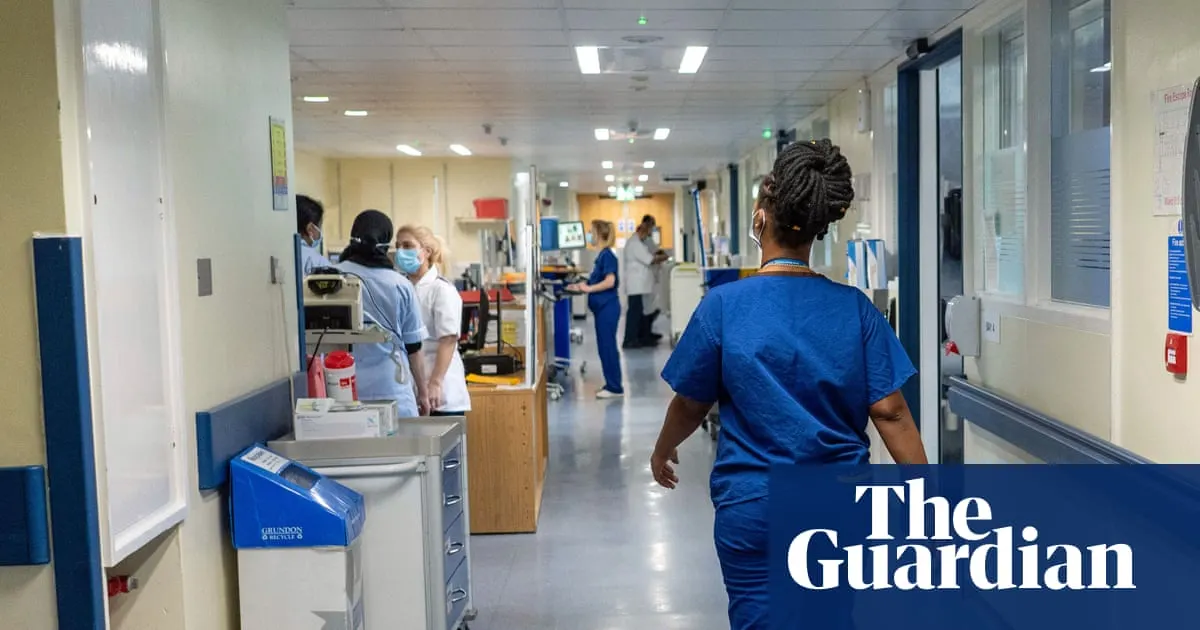
Thirty-one NHS trusts in England warn that the savings demanded this year could undermine their ability to function normally, with some saying they may struggle to continue caring for patients. The warnings highlight the strain on hospitals as they try to balance their budgets while maintaining services and staffing.
Twenty-seven trusts rank financial pressure as their greatest risk, and six have given it the highest possible score. Examples include King’s College Hospital, which is aiming to save £85m, and the St George’s, Epsom and St Helier group, with a £91m target; other trusts are seeking savings of up to £106m. Reported measures include fewer nursing shifts, ward closures and reduced community or urgent-care services, amid rising costs, pay pressures and widespread NHS understaffing.
In short
- 31 English trusts warn savings threaten normal operations.
- Six rate financial risk at the highest possible level.
- Cost cutting is affecting staffing and services.
Steelman: both sides, in good faith
The strongest fair case each way — we don't pick a winner.
The case for
Trusts have a duty to live within their budgets, and finding savings may help keep the NHS financially sustainable as costs rise. Supporters of the drive could argue that reviewing staffing patterns, closing underused wards and redesigning services can reduce waste while protecting care overall, provided trusts make decisions carefully and prioritise patients.
The case against
Hospitals are already facing staff shortages and rising costs, so demanding large savings may leave them less able to provide safe, timely care. Critics can argue that fewer nursing shifts, ward closures and reduced community services risk shifting costs elsewhere and placing patients and staff under greater strain, especially if trusts cannot identify efficiencies without cutting essential provision.
Explained simply
NHS trusts run hospitals and other local services in England, and have to manage their budgets while providing care. They receive public funding and face costs including staff pay, medicines and running wards.
When costs rise or budgets are tight, trusts may seek savings by changing how services are staffed or delivered. Those choices can affect patients’ access to care and staff workloads, while trusts must still meet demand and maintain safe services.
The issue matters because many hospitals rely on the same stretched workforce and resources. Their financial position can shape which services are available locally and how well the NHS can meet patients’ needs.