Politics news and discussion on TalkFuse.
NHS unveils new mental health A&Es and drop-in clinics in banks and libraries in ‘biggest redesign in a generation’
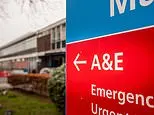
The NHS has announced plans to introduce dedicated mental health accident and emergency units alongside drop-in clinics located in everyday community settings such as banks and libraries, in what officials are describing as the biggest overhaul of mental health services in a generation. The move reflects a broader shift towards making mental health support more accessible and less stigmatised, meeting people where they already go rather than requiring them to seek out traditional clinical settings.
The initiative forms part of a wider effort to reshape how mental health crises and everyday concerns are handled, aiming to ease pressure on general A&E departments while giving people easier, more informal routes into support. By placing services in familiar, non-clinical locations, the NHS hopes to reduce barriers to seeking help and catch problems earlier, before they escalate into emergencies.
In short
- NHS unveils major mental health service redesign
- New mental health A&Es planned alongside general hospitals
- Drop-in clinics to open in banks and libraries
Steelman: both sides, in good faith
The strongest fair case each way — we don't pick a winner.
The case for
This approach addresses a fundamental barrier to mental health care: people avoiding services because of stigma or inconvenience. By locating support in everyday community spaces such as banks and libraries, the NHS reduces the psychological hurdle of seeking help and reflects evidence that earlier intervention in informal settings prevents escalation to full crises. This protects people and reduces downstream pressure on expensive emergency services. Meeting people where they already go is sound public health practice.
The case against
Mental health emergencies sometimes require proper emergency facilities, trained crisis staff, and appropriate security measures—which informal settings cannot reliably provide. There are also legitimate concerns about confidentiality when conducting sensitive mental health consultations in public spaces like libraries. Rather than spreading limited NHS resources across multiple informal locations, concentrating investment in properly equipped crisis centres whilst creating strong community pathways into them may be more efficient. The real innovation should be integration, not substitution of informal for formal emergency care.
Explained simply
The NHS provides mental health care in England, including support for people in crisis and help for less urgent concerns. Today, someone in acute distress may go to a general accident and emergency department, while other support is usually accessed through health services or community organisations.
The plans described would add specialist emergency care and offer some support in familiar places such as libraries and banks. They are intended to give people more ways to seek help and to reduce the number of mental health crises handled by general A&E departments.
Government Health Mental Health Politics UK World