New releases, music videos and album news — indie, rap, rock and pop. Always covering Ren, Chris Webby, Sam Tompkins, bbno$, CHINCHILLA, Muse, Yungblud and more.
Nicktoons Quietly Censors Two Jokes from Classic SpongeBob Episode
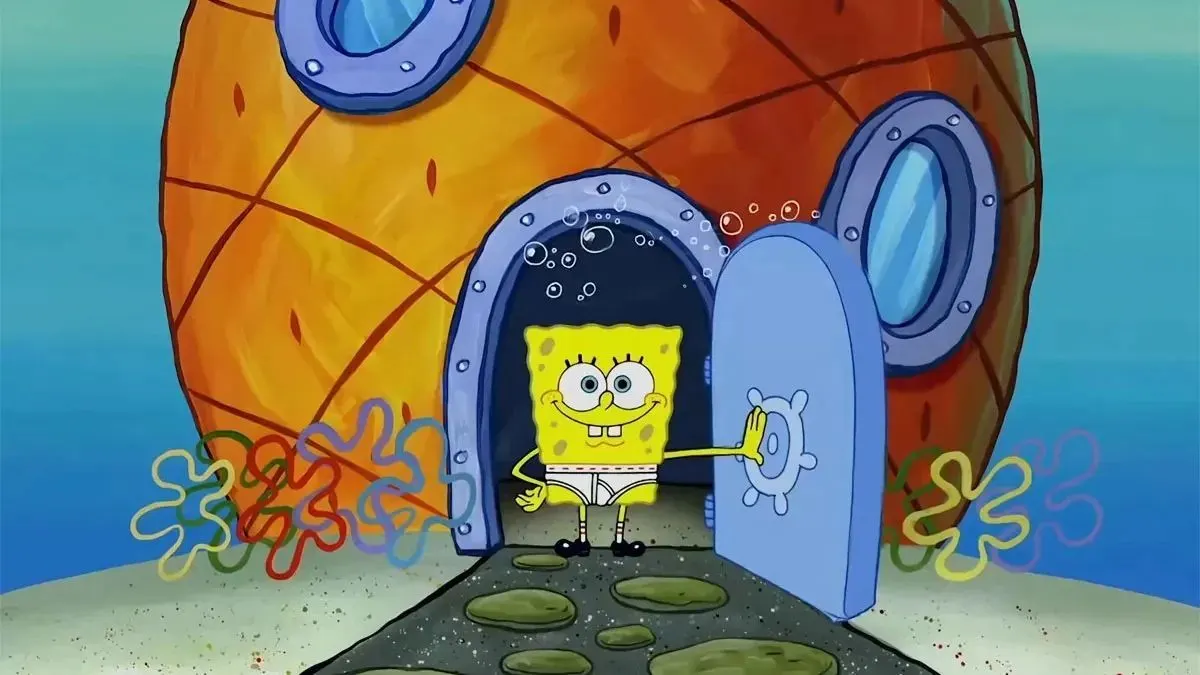
Nicktoons has removed two jokes from a US rerun of the 2003 SpongeBob SquarePants episode “Gary Takes a Bath”, prompting fans to question why the changes were made. The edits matter because they show how broadcasters may treat older children’s programmes differently over time, while the original episode remains available on Paramount+.
One cut scene shows SpongeBob strapping a time bomb to his chest to persuade Gary to bathe; the other features a soap joke with a sexual reference. The UK had already aired versions without both scenes, and the episode was once kept out of rotation in the UK and Australia before returning in 2008. Paramount has not publicly explained the US edits, which follow its 2021 removal of “Mid-Life Crustacean” over story elements it said were not suitable for children.
In short
- Nicktoons cut two jokes from a 2003 SpongeBob episode.
- The original version remains on Paramount+.
- Paramount has not explained the US edits.
Steelman: both sides, in good faith
The strongest fair case each way — we don't pick a winner.
The case for
Broadcasters have a responsibility to consider how material in children’s programmes may be understood by today’s audiences, and may reasonably edit jokes involving a sexual reference or a bomb threat when scheduling an older episode for young viewers. Previous edits in other countries and Paramount’s earlier decision to remove another episode suggest the company may be applying standards it considers appropriate for children’s television.
The case against
Editing the episode without explanation risks obscuring the original work and leaves viewers guessing about the broadcaster’s reasons. The episode remains available unedited on Paramount+, and audiences could be given context or a choice of versions; unexplained changes may also invite concern that standards are being applied inconsistently over time or across countries.