Nicolás Maduro flashes peace signs in first prison photos since US capture in Caracas
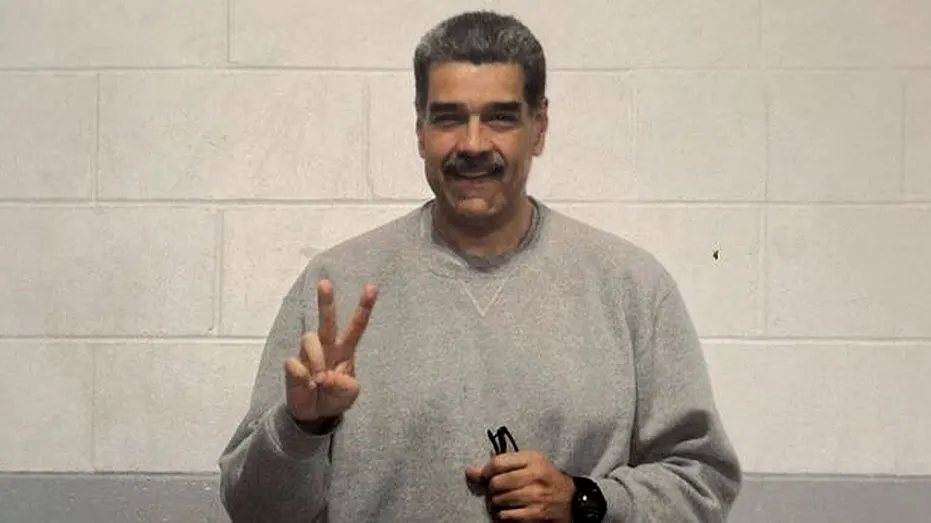
Photos posted to Nicolás Maduro's social media accounts have offered the first glimpse of the ousted Venezuelan leader inside a New York prison since his capture by US forces in a military operation in Caracas. Maduro, who has spent eight months in custody at the Metropolitan Detention Center in Brooklyn on drug trafficking charges, is seen wearing a grey sweatsuit and appearing noticeably thinner, flashing peace signs against a plain wall. The images matter because they offer a rare public update on his condition amid a dramatic shift in US-Venezuela relations, and come as his wife Cilia, also detained on related charges, and their family await developments in the case.
Although posted on Sunday, timestamps show the photographs were actually taken on 25 June, the day after major earthquakes killed more than 6,500 people near Caracas. Their release also followed, by two days, Donald Trump's announcement that Venezuela had agreed to give the US majority control over 65 billion barrels of its oil reserves. Maduro's son has said his father spends much of his time reading the Bible and is allowed 510 minutes a month of calls with people outside prison; Maduro and his wife, who deny the charges and face potential life sentences, are due to stand trial in June 2027.
- First prison photos of Maduro since US capture emerge on social media
- Photos actually taken in June, day after deadly Venezuela earthquakes
- Trial for Maduro and wife on drug charges set for June 2027
New here? Start with this
Nicolás Maduro was Venezuela's president for over a decade before being captured by US forces in a military operation in Caracas earlier this year. He is now held at the Metropolitan Detention Center, a federal jail in Brooklyn, New York, facing US drug trafficking charges alongside his wife, Cilia. Both deny the charges and could face life sentences if convicted at their trial, currently set for June 2027.
The case sits within a broader, fast-moving shift in relations between the United States and Venezuela, a country with the world's largest proven oil reserves. Maduro's removal and detention followed years of US sanctions and accusations linking his government to drug trafficking, claims he has long rejected. His wife and children remain free but are following the case closely, and his son has occasionally shared details of his father's life in custody.
Public information about Maduro's condition since his capture has been scarce, so any image or update from inside the prison draws significant attention. This matters because it offers rare, verifiable insight into the treatment and circumstances of a former head of state now facing trial in a foreign country, at a time when US-Venezuela relations, including questions over the country's oil wealth, remain highly consequential.
Both sides, in good faith
The strongest fair case each way — we don't pick a winner.
The case for
Supporters of the US action would argue that Maduro had been indicted on serious narco-trafficking charges and that removing a leader many governments viewed as illegitimate, having clung to power through disputed elections and repression, upholds international justice rather than undermines it. They would point to the fact he is being afforded due process, a scheduled trial, reading material and monthly calls, as evidence the system is functioning fairly rather than vindictively. On the oil agreement, they would contend that opening Venezuela's reserves to US investment is a pragmatic step towards economic stabilisation after years of mismanagement, and that linking it to the timing of a prison photo release is speculative rather than proof of any improper motive.
The case against
Critics would counter that a foreign military operation to seize a sitting head of state, however unpopular, sets a troubling precedent for national sovereignty and the rule of international law, regardless of the charges against him. They would note the striking proximity between the photographs' release and Donald Trump's announcement of majority US control over Venezuela's oil reserves, arguing this timing reasonably invites questions about whether resource interests are shaping the handling of the case rather than justice alone. They would also stress that Maduro and his wife deny the charges, face potential life sentences, and that images taken two months earlier, quietly timed around a deadly earthquake, raise fair questions about who is controlling the narrative and why.