NIFL call EGM with members to avoid season delay
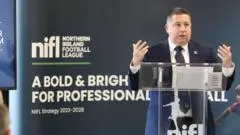
The Northern Ireland Football League (NIFL) has called an extraordinary general meeting (EGM) with its member clubs for Tuesday in a bid to prevent the delay of the new Irish Premiership and Championship seasons. The move follows a legal challenge from Banbridge Town, whose appeal against being excluded from NIFL's restructured league system was upheld by the Irish FA's appeals committee as "unlawful", threatening the planned opening weekend fixtures, including Cliftonville versus Crusaders.
Banbridge is one of ten clubs being moved from the former Premier Intermediate League to a newly formed Conference League run by the Northern Amateur Football League, as NIFL narrows its remit to just the top two tiers and expands the Championship from 12 to 16 teams. Banbridge argued NIFL failed to secure proper member approval for the changes, and despite the ruling, both leagues had pushed ahead with plans to start this weekend. For Tuesday's EGM to proceed, 90% of the 47 member clubs must agree to attend, with 75% then required to back NIFL's rules; failure to secure this could see the season start as planned but leave NIFL exposed to further legal challenges.
- NIFL calls EGM for Tuesday to avert a season-opening delay
- Banbridge Town's legal challenge over league restructuring triggered the crisis
- EGM needs 90% club attendance and 75% approval to succeed
Both sides, in good faith
The strongest fair case each way — we don't pick a winner.
The case for
The restructuring represents necessary modernisation of Northern Irish football, expanding Championship opportunities while streamlining NIFL's remit, and these changes enjoy broad support among member clubs. Whilst procedural steps were inadvertently missed, the upcoming EGM provides a fair mechanism to secure retrospective approval from the required 75% majority. Delaying the season over a technical breach would punish clubs, players and supporters when the underlying reforms are sound and beneficial for the sport's long-term sustainability.
The case against
Member clubs' governance rights exist to ensure major structural changes receive proper scrutiny before implementation, not after. The appeals committee determined NIFL's process was unlawful—not a minor oversight but a failure to observe foundational accountability procedures. Allowing retrospective approval via EGM sets a troubling precedent that established processes can be bypassed and rubber-stamped later, undermining member protections and fair treatment of clubs like Banbridge who had legitimate claims to consultation.