World news and discussion on TalkFuse.
Nigel Farage blasts President Donald Trump for ‘failing to keep promises’
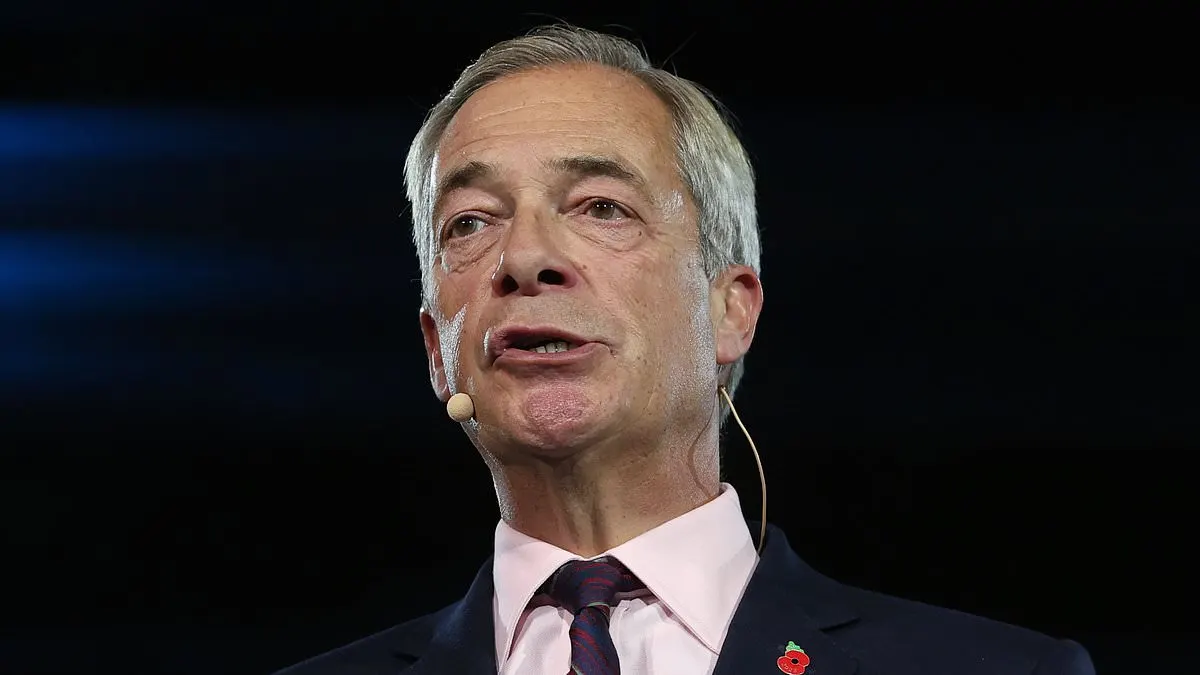
Nigel Farage criticised Donald Trump for breaking his pledge to avoid foreign wars, calling the eight-month conflict with Iran a mistake that contributed to Republican losses in the US midterm elections. His comments matter because they mark a sharp change from his initial support for the conflict and link its costs to a major political setback for Trump’s party.
Farage said the war had driven up petrol and diesel prices and argued that the cost of living was central to the defeat. He said he supported limited strikes to slow Iran’s nuclear programme but not a prolonged war; Republicans lost control of both houses of Congress. At the same event, new Reform UK defence spokesman Angus MacIntyre urged greater support for Ukraine, while Farage repeated his view that NATO’s eastward expansion helped provoke Russia’s aggression.
In short
- Farage says Trump broke his no-foreign-wars pledge.
- He blames the Iran conflict and fuel costs for Republican losses.
- He supports limited strikes but rejects a prolonged war.
Steelman: both sides, in good faith
The strongest fair case each way — we don't pick a winner.
The case for
A prolonged conflict with Iran can be seen as a breach of Trump’s pledge to avoid foreign wars, with rising fuel prices adding to household costs and weakening public support. From this perspective, limited action to impede Iran’s nuclear programme may be defensible, but an eight-month war risks diverting resources and damaging the political mandate needed to govern.
The case against
Supporters of the campaign could argue that confronting Iran’s nuclear programme and other security threats may require sustained action, and that avoiding a long war pledge does not rule out responding when leaders judge the stakes to be high. They might also caution against attributing Republican losses chiefly to the conflict, since midterm results can reflect a range of domestic and political factors.
Americas Elections Government Middle East Politics UK World