World news and discussion on TalkFuse.
Nigel Farage can stop Andy Burnham’s cowardly surrender to the EU and reverse Brexit betrayal
Developing story first seen 3 hours ago
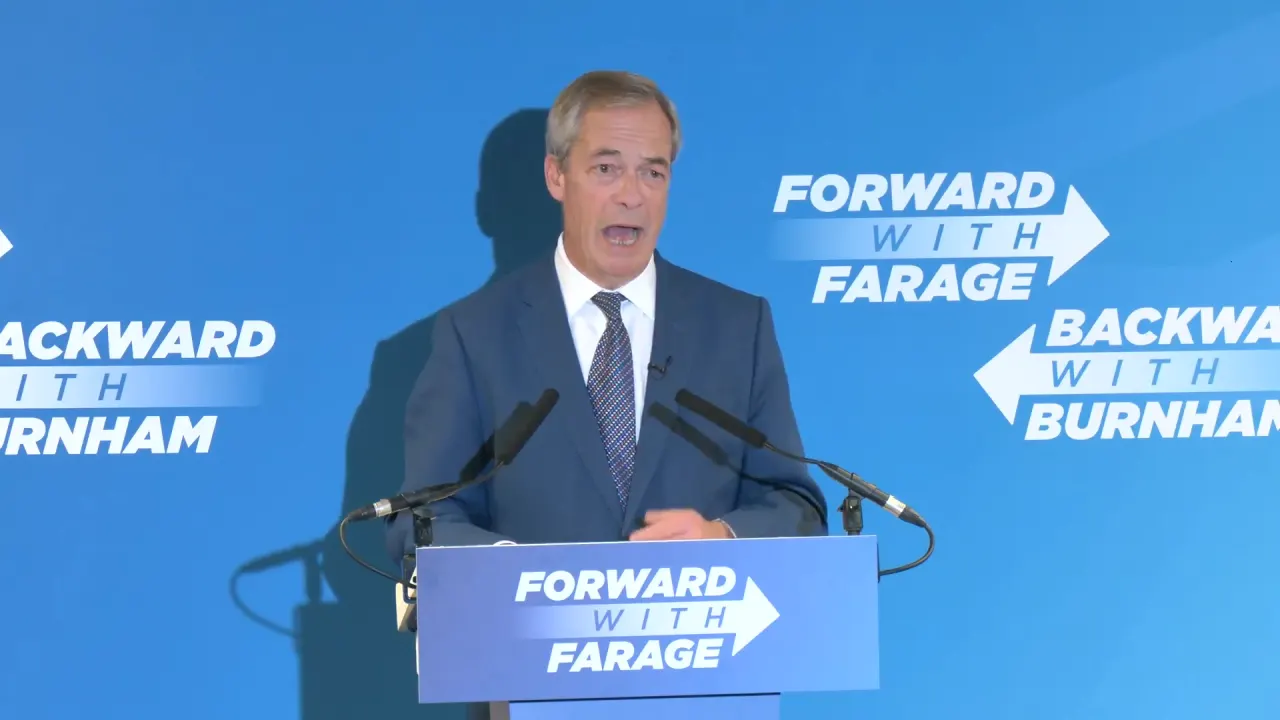
The article says Reform UK would reverse the proposed UK-EU reset if it entered government, with Nigel Farage rejecting any financial penalty for doing so. Its author calls the deal a surrender of economic independence, arguing that it would impose costs and obligations on Britain.
The article criticises a proposed youth mobility scheme, claiming it could increase competition for jobs and put pressure on housing and public services. It also objects to a proposed £450 million student-loan subsidy for foreign students and says linking carbon markets could raise costs for British industry. It supports practical trade with European neighbours while opposing what it describes as unnecessary financial obligations.
- Sources
- 2
- Outlets
- 2
- Left · Centre · Right
- 0 · 0 · 2
In short
- Reform UK says it would reverse the proposed UK-EU reset.
- The article objects to youth mobility and student-loan plans.
- It argues linking carbon markets could raise industry costs.
How this story developed
- 37 minutes ago The article argues that a proposed UK-EU “reset” would weaken Britain’s economic independence and that Reform UK would reverse the deal if it entered government.
- 44 minutes ago The article says Reform UK would reverse the proposed UK-EU reset if it entered government, with Nigel Farage rejecting any financial penalty for doing so. Its author calls the deal a surrender of economic independence, arguing that it would impose costs and obligations on Britain.
Steelman: both sides, in good faith
The strongest fair case each way — we don't pick a winner.
The case for
Supporters of reversing the proposed reset argue that closer alignment with EU rules and new financial commitments could limit the UK’s freedom to set its own policies, while exposing taxpayers and businesses to costs without clear enough benefits. They say youth mobility could add pressure to jobs, housing and services, and that subsidies for overseas students or linking carbon markets should be justified on their merits. In their view, practical trade with Europe can continue without accepting obligations they consider unnecessary.
The case against
Supporters of the reset argue that negotiated cooperation can reduce barriers to trade, improve predictability for businesses and strengthen ties with a major neighbour, while preserving the UK’s ability to choose its relationship with the EU. They may see youth mobility as a limited exchange that benefits young people and employers, and student support or carbon-market links as tools for cooperation and shared economic goals. They would argue that reversing the package could carry its own costs by creating uncertainty and weakening access and influence.
Explained simply
The UK left the European Union in 2020, ending its membership of the EU’s single market and customs union. Since then, governments have discussed ways to make trade and cooperation with European countries easier while keeping the UK outside those arrangements.
A proposed UK-EU reset could include closer cooperation in areas such as youth mobility, student finance and carbon markets. These policies affect how people can work or study across borders, how education is funded and how businesses face climate-related costs.
Reform UK, led by Nigel Farage, says it would reverse the proposed reset if it formed a government and rejects paying a penalty for doing so. The debate matters because any new agreements could affect trade, public spending, migration and the UK’s freedom to set its own rules.
Coverage · 2 sources
Bias meters
From 2 rated sources.