Entertainment news and discussion on TalkFuse.
Nigel Farage claims Reform MP was drunk when she called party chauvinistic at Christmas party
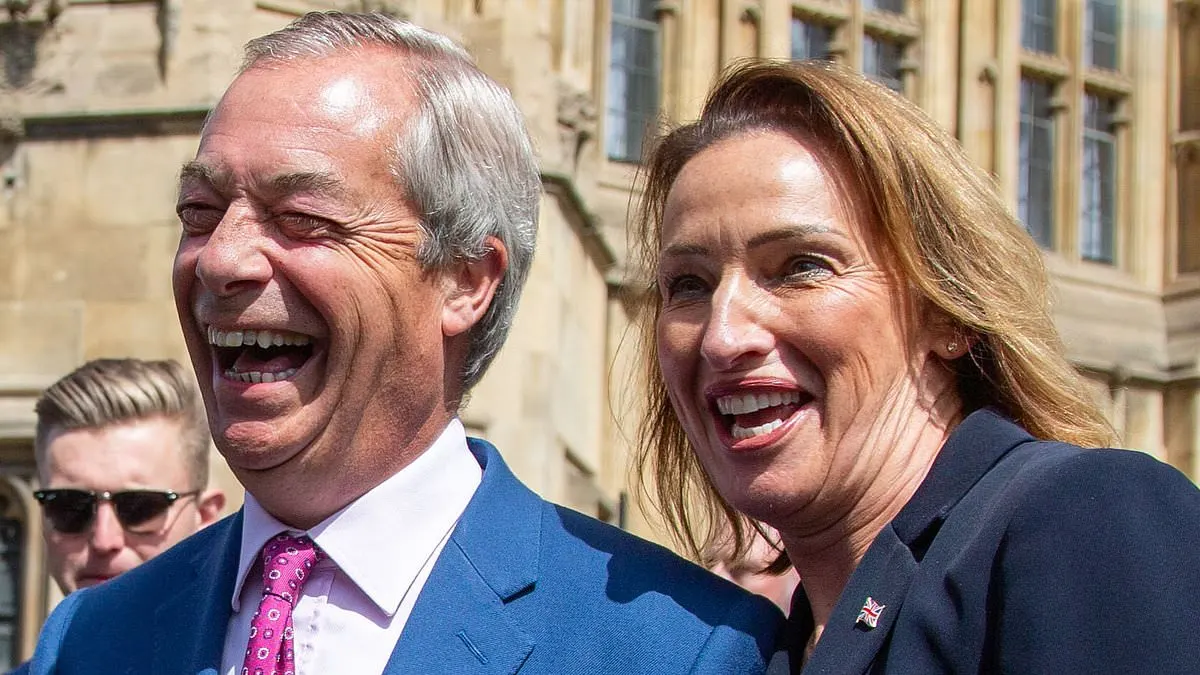
Nigel Farage suggested Reform UK MP Sarah Pochin had been drinking when she described the party as exclusionary towards women, and said she regretted her remarks. The comments matter because they have prompted a dispute over whether Reform has a chauvinistic culture and how its leader responded to a woman raising that concern.
Pochin was filmed in an undercover ITV investigation saying colleagues excluded her because she was a woman and describing an “alpha male” atmosphere. Farage said the recording was made late at a Christmas party, and that Pochin had told him the claim was untrue; he cited women in senior party roles as evidence. Labour called Reform a “sexist boys’ club”, while Pochin was contacted for comment.
In short
- Farage said Pochin had been drinking when she criticised Reform’s culture.
- Pochin was filmed saying women were excluded by colleagues.
- Labour condemned Farage’s response.
Steelman: both sides, in good faith
The strongest fair case each way — we don't pick a winner.
The case for
Pochin’s account, if accurate, points to a workplace culture in which a woman MP felt excluded and colleagues set an unwelcome tone; the recording gives her concern a basis that merits serious consideration. Farage’s focus on whether she had been drinking could also be seen as dismissing the substance of her criticism rather than addressing it directly.
The case against
The recording was made at a late party, and Farage says Pochin later told him her remarks were untrue and regretted them, so he can reasonably argue that they should not be treated as a settled account of the party’s culture. He also points to women in senior roles as evidence that Reform is not simply exclusionary, while noting that a single recorded exchange cannot establish how the organisation treats women overall.
Explained simply
Reform UK is a political party led by Nigel Farage, with Sarah Pochin among its MPs. MPs represent their constituents in Parliament and may also speak publicly about their party and its culture.
The dispute centres on whether women in Reform feel included and how the party responds to criticism of its working environment. Claims about a party’s culture can affect how voters view it, while the accounts given by those involved may differ.