World news and discussion on TalkFuse.
Farage tells Braverman to stop excluding non-white people from English identity
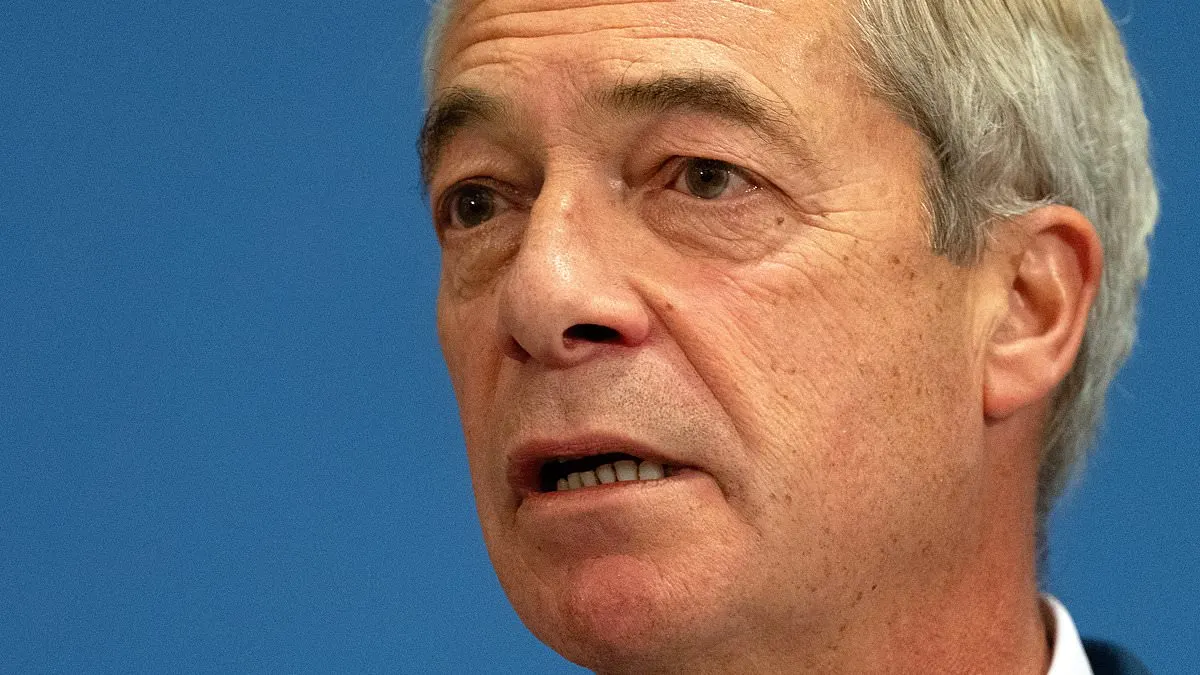
Nigel Farage told Reform UK MP Suella Braverman to stop arguing that non-white people cannot be English, calling her remarks unwelcome and warning of a rise in ethnonationalism. The dispute matters because it has brought questions about English identity and belonging into a broader political debate.
Braverman said on BBC’s Question Time that non-white people born in the UK could be British but not English, and later wrote that “Englishness is an ethnicity”. Rishi Sunak and Kemi Badenoch criticised the view, saying it was divisive and risked excluding people and their children from a shared national identity. Farage made his comments at a press conference attacking Andy Burnham’s proposed Brexit deal with the EU.
In short
- Farage rejected Braverman’s claim about who can be English.
- The comments have drawn criticism from Sunak and Badenoch.
- The row has sharpened debate over English identity and belonging.
Steelman: both sides, in good faith
The strongest fair case each way — we don't pick a winner.
The case for
Englishness can be understood as an ethnic and historical identity, tied to ancestry, shared traditions and a distinct national story; on this view, someone may be British by citizenship without identifying as ethnically English. Advocates may argue that recognising this distinction protects the meaning of English identity and allows people to describe their heritage without denying anyone’s legal rights or place in Britain.
The case against
Englishness can also be understood as a civic and cultural identity that people can share through birth, upbringing, participation and belonging, regardless of their ethnicity. Advocates of this view argue that defining it by ancestry excludes people who are English in every lived sense, weakens a common national identity and risks treating non-white citizens and their children as perpetual outsiders.
Explained simply
Englishness is used to describe a national identity linked to England, but people disagree about what it means and who can claim it. British identity refers to the United Kingdom as a whole, which includes England, Scotland, Wales and Northern Ireland.
Suella Braverman is a Reform UK MP and former Conservative cabinet minister; Nigel Farage leads Reform UK. Their disagreement sits within a wider political debate about whether national identity is based on ancestry, birthplace, citizenship or a shared sense of belonging.
The debate matters because ideas about who belongs can shape how people see their place in the country and how politicians talk about national unity. It also raises questions about how English identity relates to British identity.
Read the full article at the source →
Originally published by Daily Mail as “Nigel Farage orders Reform’s Suella Braverman to stop saying only white people can be English as he attacks rise of ‘ethnonationalism’”.