Nigel Farage plummets to lowest approval level since election in new poll
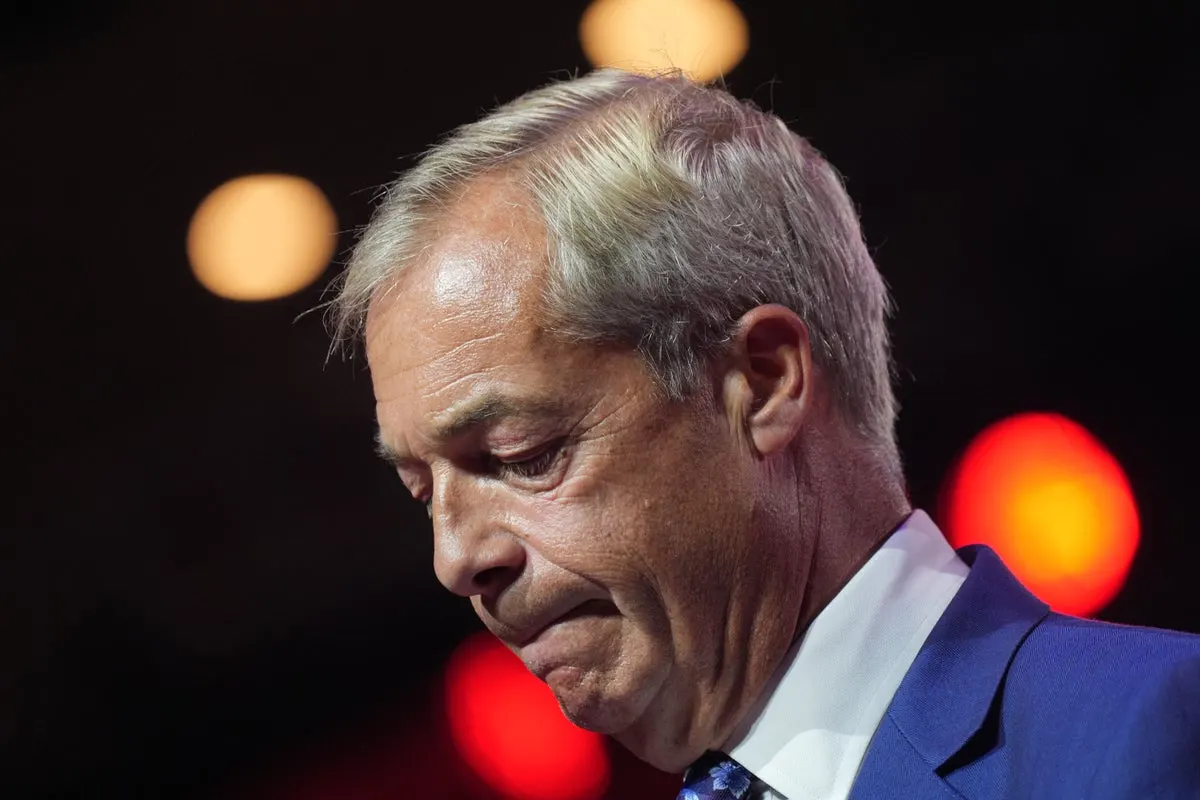
Nigel Farage’s approval rating has fallen to its lowest point since the 2024 general election, according to More in Common, adding to signs of weakening support for Reform UK. The poll matters because Farage is closely associated with his party’s brand, meaning a sustained personal decline could have a disproportionate effect on Reform’s electoral prospects.
Farage’s net approval rating was -32, down about 10 points in two weeks, while Andy Burnham stood at +19; Kemi Badenoch was on 0, Ed Davey on -11 and Zack Polanski on -24. More in Common also put Labour on 28% support, ahead of Reform on 24% and the Conservatives on 22%, amid negative coverage of Farage and questions over gifts, donations and benefits linked to an adviser.
In short
- Farage’s approval rating fell sharply to -32.
- Labour has moved ahead of Reform in polling.
- Analysts warn Farage’s decline could hurt Reform heavily.
Steelman: both sides, in good faith
The strongest fair case each way — we don't pick a winner.
The case for
The fall in Farage’s approval and Reform’s polling support may signal that concerns about his leadership and questions over gifts and benefits are reaching voters. Because he is so closely identified with the party, a sustained decline could weaken its ability to attract support and make its case for government.
The case against
A single poll captures opinion at one moment, and a sharp two-week change may not indicate a lasting shift in voters’ views. Reform still polled ahead of the Conservatives in this survey, and supporters may see intense scrutiny of Farage as less important than the party’s policies or as a reason to wait for further evidence before judging.
Explained simply
Nigel Farage is the leader and founder of Reform UK, a political party that has become more prominent in recent British politics.
Approval ratings measure how favourably the public views a political leader. These figures matter because they reflect a leader's standing with voters and can influence how people vote in elections. When a leader's approval is strong, it tends to boost their party's electoral prospects; when it weakens, the party can suffer.
Farage is particularly central to Reform UK's public identity and brand. He founded the party and is its defining figure, unlike some leaders who are more separate from their party's image. This means his personal approval rating can have a disproportionate effect on how well the party performs in elections.